Buy wasserfall.eu ?
We are moving the project
wasserfall.eu .
Are you interested in purchasing the domain
wasserfall.eu ?
domain@kv-gmbh.de · 0541-91531010
Buy wasserfall.eu ?
Is earth or water heavier?
Water is heavier than air, but earth (or soil) is generally heavier than water. This is because the density of soil is greater than that of water, meaning that a given volume of soil will weigh more than the same volume of water. However, the weight of earth and water can vary depending on factors such as composition, temperature, and pressure. **
Is water lighter than earth?
No, water is not lighter than earth. Water has a density of 1 gram per cubic centimeter, while the average density of the Earth is about 5.5 grams per cubic centimeter. This means that water is less dense than the solid material that makes up the Earth, but it is not lighter in terms of mass. When comparing the weight of equal volumes of water and earth, the earth will be heavier due to its higher density. **
Similar search terms for Earth
Top-Angebote
Products related to Earth:
-
Touch of Class Turtle Family Sculpture Multi Earth , Multi EarthMembers of the Turtle Family are so happy to be together. This charming resin sculpture resembles carved wood and depicts three cute turtles in shades of brown stacked on top of each other. Sculpture may be used indoors or outdoors seasonally; do...75,99 $*Shipping: 0,00 $Secure redirect to the provider
-
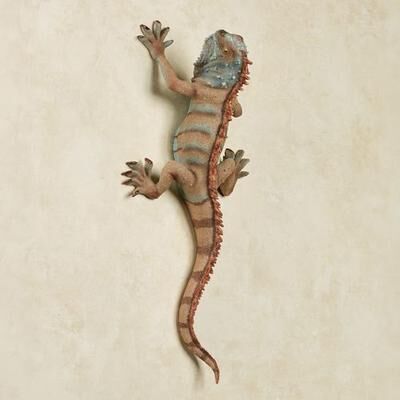
Touch of Class Kaiser Iguana Accent Multi Earth , Multi EarthKaiser Iguana climbs to new heights in your home. Made of resin, this adorable iguana accent looks realistic and has light brown, dark brown, ember glow, and blue shades. Measures 9 Wx5.5 Dx20 H. This item is our exclusive! Can be used as wall art...69,99 $*Shipping: 15,95 $Secure redirect to the provider
-
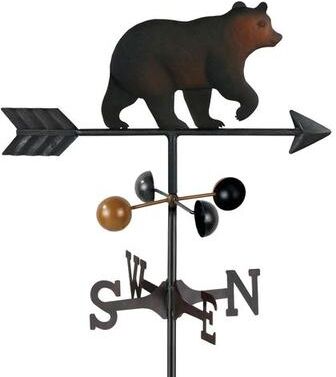
Regal Art & Gift Bear Lodge Weathervane Multi Earth , Multi EarthFind the nearest cabin with the directional Bear Lodge Weathervane. This double-sided metal weathervane has a textured, weather- and fade-resistant paint finish and depicts a bear, an arrow, a four-cup wind spinner, and compass directions. The bear...49,99 $*Shipping: 13,95 $Secure redirect to the provider
-
Regal Art & Gift Deer Lodge Weathervane Multi Earth , Multi EarthFind the nearest cabin with the directional Deer Lodge Weathervane. This double-sided metal weathervane has a textured, weather- and fade-resistant paint finish and depicts a buck deer, an arrow, a four-cup wind spinner, and compass directions. The...49,99 $*Shipping: 13,95 $Secure redirect to the provider


-
Does the Earth lose water?
Yes, the Earth does lose water through a process called evaporation. This occurs when water from the Earth's surface, such as oceans, lakes, and rivers, is heated by the sun and turns into water vapor, which then rises into the atmosphere. Additionally, water is also lost through transpiration, where plants release water vapor through their leaves. However, the Earth also gains water through precipitation, such as rain and snow, which replenishes the water lost through evaporation and transpiration. **
-
Where do alkaline earth metals occur in nature?
Alkaline earth metals occur in nature primarily as minerals in the Earth's crust. They are commonly found in compounds such as carbonates, sulfates, and silicates. Some of the most abundant sources of alkaline earth metals include limestone, gypsum, and dolomite. These minerals are often mined and processed to extract the alkaline earth metals for various industrial and commercial applications. **
-
How is water retained on Earth?
Water is retained on Earth through the water cycle, which involves processes like evaporation, condensation, precipitation, and runoff. Additionally, water is stored in various forms such as oceans, rivers, lakes, glaciers, and underground aquifers. The presence of vegetation also plays a crucial role in retaining water through processes like transpiration and absorption by plant roots. Overall, the balance of these natural processes helps to maintain a consistent supply of water on Earth. **
-
How is water held on Earth?
Water is held on Earth in various ways. The majority of water is held in the Earth's oceans, which cover about 70% of the planet's surface. Additionally, water is held in the atmosphere as water vapor, in ice caps and glaciers, in rivers and lakes, and in underground aquifers. The water cycle, which involves evaporation, condensation, and precipitation, helps to distribute and maintain the Earth's water supply. Overall, water is held on Earth through a combination of natural processes and geological formations. **

How does the Earth produce water?
Water on Earth is produced through a process called the water cycle. This cycle involves the evaporation of water from oceans, lakes, and rivers due to the heat of the sun. The evaporated water then condenses in the atmosphere to form clouds, which eventually release the water as precipitation in the form of rain or snow. This water then flows back into bodies of water or seeps into the ground to replenish underground water sources. **
Can the water on Earth decrease?
The total amount of water on Earth remains relatively constant over time, as it is a closed system. However, the distribution and availability of water can change due to factors such as climate change, pollution, and overuse. For example, as global temperatures rise, more water may evaporate from the surface and be stored in the atmosphere, leading to decreased availability of water in certain regions. Additionally, human activities such as deforestation and urbanization can disrupt the natural water cycle, leading to decreased water availability in some areas. Therefore, while the total amount of water on Earth does not decrease, the availability of water in specific locations can be affected by various factors. **
Top-Angebote
Products related to Earth:
-
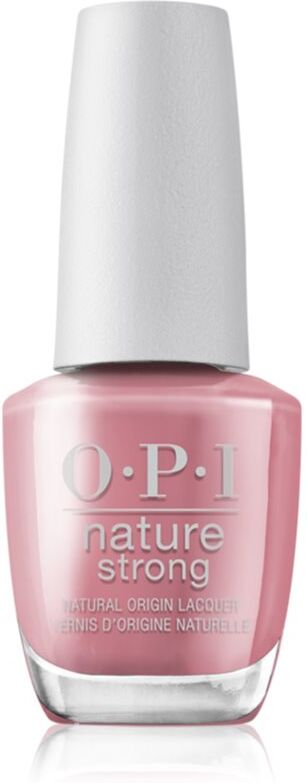
OPI Nature Strong nail polish For What It’s Earth 15 mlOPI Nature Strong, 15 ml, Nail Varnishes for Women, A gorgeous manicure as though you’d just left the nail salon? The OPI Nature Strong nail polish lets you achieve it in the comfort of your own home. It coats the surface of the nail with a continuous layer of long-lasting, intense colour with a glossy finish, helping to give your nails a manicured, perfectly groomed look. You can use it to accentuate your nails or perhaps to enhance your outfit and style. So which colour will you choose to make your nails pop? Characteristics: bright, rich colour ensures a high gloss easy to apply Ingredients: vegan product How to use: Apply the polish using a brush for polish-free, degreased nails. For best results, apply two layers.10,29 £*Shipping: 3,99 £Secure redirect to the provider
-
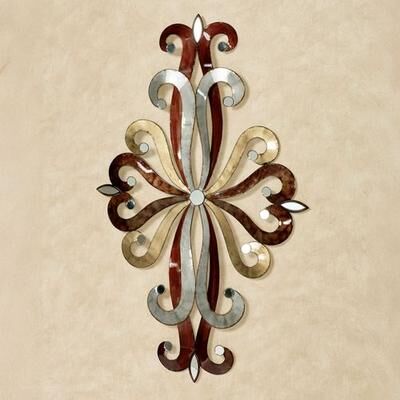
Touch of Class Fiorenzo Wall Art Multi Earth , Multi EarthElegant flourishes create the beautiful design of the Fiorenzo Wall Art. Accented with mirrored circles and ovals, the metal wall sculpture features hand-dyed scrolls in silver, gold, brown, and auburn hues. Wall art may hang vertically or...95,00 $*Shipping: 18,95 $Secure redirect to the provider
-
Touch of Class Turtle Family Sculpture Multi Earth , Multi EarthMembers of the Turtle Family are so happy to be together. This charming resin sculpture resembles carved wood and depicts three cute turtles in shades of brown stacked on top of each other. Sculpture may be used indoors or outdoors seasonally; do...75,99 $*Shipping: 0,00 $Secure redirect to the provider
-
Touch of Class Kaiser Iguana Accent Multi Earth , Multi EarthKaiser Iguana climbs to new heights in your home. Made of resin, this adorable iguana accent looks realistic and has light brown, dark brown, ember glow, and blue shades. Measures 9 Wx5.5 Dx20 H. This item is our exclusive! Can be used as wall art...69,99 $*Shipping: 15,95 $Secure redirect to the provider
-
Is earth or water heavier?
Water is heavier than air, but earth (or soil) is generally heavier than water. This is because the density of soil is greater than that of water, meaning that a given volume of soil will weigh more than the same volume of water. However, the weight of earth and water can vary depending on factors such as composition, temperature, and pressure. **
-
Is water lighter than earth?
No, water is not lighter than earth. Water has a density of 1 gram per cubic centimeter, while the average density of the Earth is about 5.5 grams per cubic centimeter. This means that water is less dense than the solid material that makes up the Earth, but it is not lighter in terms of mass. When comparing the weight of equal volumes of water and earth, the earth will be heavier due to its higher density. **
-
Does the Earth lose water?
Yes, the Earth does lose water through a process called evaporation. This occurs when water from the Earth's surface, such as oceans, lakes, and rivers, is heated by the sun and turns into water vapor, which then rises into the atmosphere. Additionally, water is also lost through transpiration, where plants release water vapor through their leaves. However, the Earth also gains water through precipitation, such as rain and snow, which replenishes the water lost through evaporation and transpiration. **
-
Where do alkaline earth metals occur in nature?
Alkaline earth metals occur in nature primarily as minerals in the Earth's crust. They are commonly found in compounds such as carbonates, sulfates, and silicates. Some of the most abundant sources of alkaline earth metals include limestone, gypsum, and dolomite. These minerals are often mined and processed to extract the alkaline earth metals for various industrial and commercial applications. **
Similar search terms for Earth
-
Regal Art & Gift Bear Lodge Weathervane Multi Earth , Multi EarthFind the nearest cabin with the directional Bear Lodge Weathervane. This double-sided metal weathervane has a textured, weather- and fade-resistant paint finish and depicts a bear, an arrow, a four-cup wind spinner, and compass directions. The bear...49,99 $*Shipping: 13,95 $Secure redirect to the provider
-
Regal Art & Gift Deer Lodge Weathervane Multi Earth , Multi EarthFind the nearest cabin with the directional Deer Lodge Weathervane. This double-sided metal weathervane has a textured, weather- and fade-resistant paint finish and depicts a buck deer, an arrow, a four-cup wind spinner, and compass directions. The...49,99 $*Shipping: 13,95 $Secure redirect to the provider
-
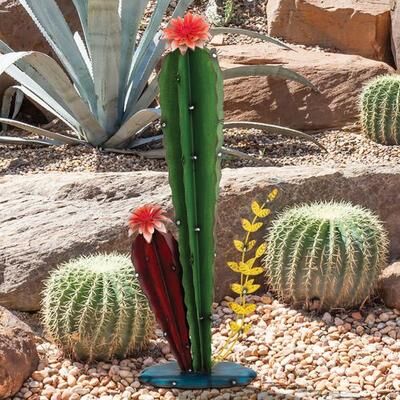
Regal Art & Gift Blooming Cactus Sculpture Multi Earth , Multi EarthA Blooming Cactus is always a spectacular sight to see. This weather- and fade-resistant metal sculpture has intricate metalwork and features green and deep red cacti crowned with soft pink flowers. The circular bottom base allows for a balanced...57,99 $*Shipping: 0,00 $Secure redirect to the provider
-
Touch of Class Rooster Medley Napkin Holder Multi Earth , Multi EarthThe resin Rooster Medley Napkin Holder features a proud rooster standing among a colorful medley of fruits and vegetables, including strawberries, apples, grapes, green peppers, and eggplant on a basket weave base. Napkin holder provides a place for...39,99 $*Shipping: 0,00 $Secure redirect to the provider
-
How is water retained on Earth?
Water is retained on Earth through the water cycle, which involves processes like evaporation, condensation, precipitation, and runoff. Additionally, water is stored in various forms such as oceans, rivers, lakes, glaciers, and underground aquifers. The presence of vegetation also plays a crucial role in retaining water through processes like transpiration and absorption by plant roots. Overall, the balance of these natural processes helps to maintain a consistent supply of water on Earth. **
-
How is water held on Earth?
Water is held on Earth in various ways. The majority of water is held in the Earth's oceans, which cover about 70% of the planet's surface. Additionally, water is held in the atmosphere as water vapor, in ice caps and glaciers, in rivers and lakes, and in underground aquifers. The water cycle, which involves evaporation, condensation, and precipitation, helps to distribute and maintain the Earth's water supply. Overall, water is held on Earth through a combination of natural processes and geological formations. **
-
How does the Earth produce water?
Water on Earth is produced through a process called the water cycle. This cycle involves the evaporation of water from oceans, lakes, and rivers due to the heat of the sun. The evaporated water then condenses in the atmosphere to form clouds, which eventually release the water as precipitation in the form of rain or snow. This water then flows back into bodies of water or seeps into the ground to replenish underground water sources. **
-
Can the water on Earth decrease?
The total amount of water on Earth remains relatively constant over time, as it is a closed system. However, the distribution and availability of water can change due to factors such as climate change, pollution, and overuse. For example, as global temperatures rise, more water may evaporate from the surface and be stored in the atmosphere, leading to decreased availability of water in certain regions. Additionally, human activities such as deforestation and urbanization can disrupt the natural water cycle, leading to decreased water availability in some areas. Therefore, while the total amount of water on Earth does not decrease, the availability of water in specific locations can be affected by various factors. **
* All prices are inclusive of VAT and, if applicable, plus shipping costs. The offer information is based on the details provided by the respective shop and is updated through automated processes. Real-time updates do not occur, so deviations can occur in individual cases. ** Note: Parts of this content were created by AI.