Buy wasserfall.eu ?
We are moving the project
wasserfall.eu .
Are you interested in purchasing the domain
wasserfall.eu ?
domain@kv-gmbh.de · 0541-91531010
Buy wasserfall.eu ?
What is the concept of human nature in the Middle Ages?
In the Middle Ages, the concept of human nature was heavily influenced by Christian theology and philosophy. Human nature was seen as inherently flawed and sinful due to the original sin of Adam and Eve. This view emphasized the need for redemption and salvation through faith and good works. Additionally, human nature was also seen as a combination of body and soul, with the soul being the immortal and divine aspect of a person. Overall, the concept of human nature in the Middle Ages was deeply rooted in religious beliefs and the idea of the fallen nature of humanity. **
Why is the Middle Ages actually called the Middle Ages?
The Middle Ages is called so because it is the period of time between the fall of the Roman Empire in the 5th century and the beginning of the Renaissance in the 14th century. It is considered the "middle" period between the classical antiquity of the Roman Empire and the modern era. This period is also known as the medieval period, and it is characterized by the development of feudalism, the rise of Christianity, and the dominance of monarchies in Europe. **

Similar search terms for Ages
Top-Angebote
Products related to Ages:
-
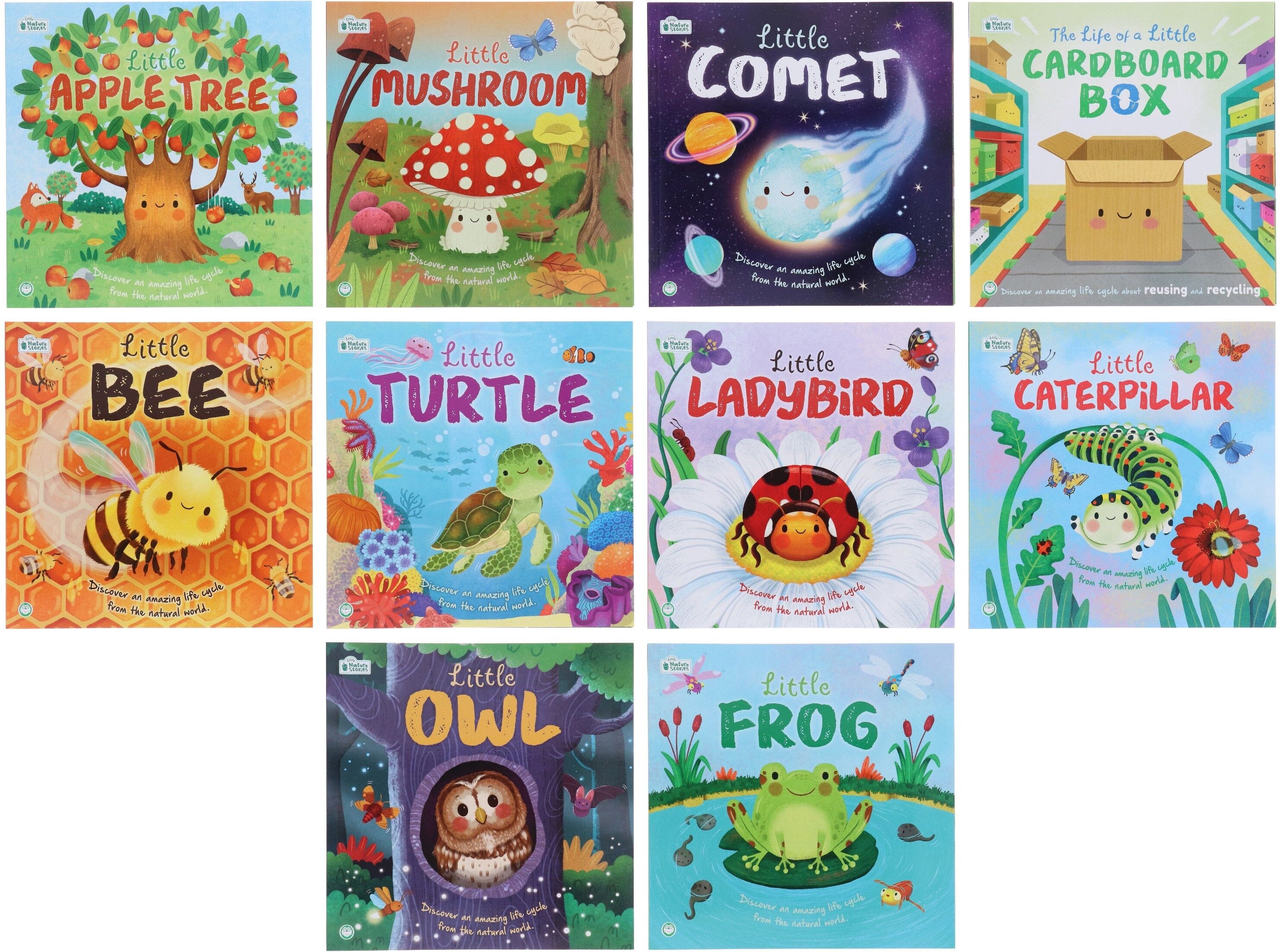
Little Nature Stories 10 Picture Book Collection Set - Ages 0-5 - Paperback Autumn PublishingTitles in this Set: 1. Little Apple Tree 2. Little Mushroom 3. Little Comet 4. Little Frog 5. Little Bee 6. Little Caterpillar 7. Little Ladybird 8. Little Owl 9. Little Turtle 10. The Life of a Little Cardboard Box Description: Nature Stories: Little Apple Tree Have you ever wondered how little apples grow? Inside the pages of this stunningly illustrated story you will meet a cute little apple tree and learn all about how it grows from a seed to a tall, leafy tree. Nature Stories: Little Mushroom Introducing Nature Stories: Little Musrhoom a captivating and beautifully illustrated padded board book that will ignite young minds with wonder and curiosity about the mysteries of nature. Have you ever wondered how little mushrooms grow in the forest? Little Comet Have you ever wondered what happens to a fiery comet as it races around our solar system? This stunningly illustrated story offers a perfect introduction to a comet's amazing journey and learn a little bit about our planets along the way! Little Frog Have you ever wondered how a tiny little tadpole can grow up to become a happy, hoppy frog? Little Bee Have you ever wondered what buzzy bees do inside their cozy hive? Little Caterpillar Have you ever wondered what happens to a caterpillar when it turns into a butterfly? Little Ladybird Have you ever wondered how a shiny, scarlet ladybird gets its spots? Little Owl Have you ever wondered what it's like to be an owl, soaring around the forest? Little Turtle Have you ever wondered what happens to a turtle after it breaks out of its egg and heads for a life in the ocean? The Life of a Little Cardboard Box Have you ever wondered what happens to a cardboard box when you no longer need it?12,99 £*Shipping: 2,99 £Secure redirect to the provider
-
Intex Friendly Octopus Inflatable Play Center W/ Water Slide, Kids Ages 2+INTEX FRIENDLY OCTOPUS INFLABLE PLAY CENTER: WATER SLIDE - 56138EP - Bring the sea to your backyard! Simply attach a garden hose to activate the sprayer, and watch the kids go down the water slide for summer time fun.65,99 $*Shipping: 0,00 $Secure redirect to the provider
-
Usborne Beginners Nature & Science Collection 20 Books Set - Ages 4-10 - Paperback Usborne Publishing LtdTitles in This Set: Usborne Beginners Nature 10 Books: 1. Ants 2. Bees & Wasps 3. Bugs 4. Spiders 5. Tadpoles and Frogs 6. Caterpillars and Butterflies 7. How Flowers Grow 8. Trees 9. Rainforest 10. Reptiles Usborne Beginners Science 10 Books: 1. Earthquakes & Tsunamis 2. Sun Moon and Stars 3. Living in Space 4. Storms and Hurricanes 5. Volcanoes 6. Astronomy 7. The Solar System 8. Your Body 9. Planet Earth 10. Weather Description : Usborne Beginners Nature 10 Books Ants Where do ants live? What do they eat? How much weight can they carry? Little children can find out the answers to these questions and much more in this simple introduction to the world of ants. Bees & Wasps What do bees and wasps eat? What type of nests do they make? How do bees make honey? Find out the answers and lots more in this intriguing introduction to the fascinating world of bees and wasps. Bugs ''There are all kinds of different bugs. Some can jump up high. Other bugs have lots of legs.” Bugs is part of an exciting reading series for young children, with lots of pictures and very simple text. Spiders “Spiders have eight legs. Most of them have eight eyes, but some of them can’t see very well.” Learn all about spiders in this great book for children learning to read by themselves. Tadpoles and Frogs From egg to frog, find out about the entire life cycle of a frog in this easy-to-read fully illustrated book for young learners ages 4+. It comes complete with weblinks so you can see the process for yourself. Caterpillars and Butterflies A beautifully illustrated introduction to the life of butterflies and caterpillars, with easy to read text for beginner readers. The life cycle of a butterfly is shown with stunning photographs and illustrations, and there are links to carefully selected websites with videos that show butterflies emerging from their pupae. How Flowers Grow How do flowers grow in dry deserts? How do animals help to spread seeds? Which flower smells like rotting meat? Find out in this great book for young readers ages four and up. Trees How do trees use their leaves to make food? Why do they grow flowers and fruit? Which animals live inside a tree trunk and build nests in its branches? How can we help to protect trees? This book has all the answers and much more, along with photographs, step-by-step illustrations, simple text and links to websites with video clips and activities. Rainforests Learn all about the rainforest in this fantastic easy-to-read book for children 4+ beginning to strike out on their own. From towering trees to rainforest rivers, this fully-illustrated book also features links to carefully selected websites. Reptiles Learn all about the lizard world in this fully-illustrated guide, the latest in the Usborne Beginners series. From scaly skin to tongue tricks, this book for readers beginning to read on their own comes with carefully selected weblinks so you can see them in action. Usborne Beginners Science 10 Books: Earthquakes & Tsunamis...29,99 £*Shipping: 2,99 £Secure redirect to the provider
-
Usborne Beginners Nature 10 Books Box Set Collection - Ages 4-7 - Hardback Usborne Publishing LtdPlease note that we have two different covers available in stock and you may receive one of the cover sets. Titles In This Set: 1. Reptiles 2. Tadpoles and Frogs 3. Rainforest 4. Trees 5. How Flowers Grow 6. Caterpillars and Butterflies 7. Spiders 8. Bugs 9. Bees & Wasps 10. Ants Feature Specification Authors Various Authors (including Emily Bone, Stephanie Turnbull, and Leonie Pratt) Publisher Usborne Publishing Ltd ISBN-13 9789123654321 Format Hardback (Premium Durable Case Binding) Total Books 10 Hardback Reference Volumes (Complete Nature Subseries) Books Included Ants, Bees and Wasps, Bugs, Spiders, Caterpillars and Butterflies, Tadpoles and Frogs, Reptiles, Rainforest, Trees, Seed to Sunflower Target Audience Emerging independent readers, Key Stage 1 and 2 learners (Ages 5 to 9, plus older reluctant readers up to age 14) Core Subject Areas Entomology, Botany, Zoology, Ecosystem Ecology, Metamorphosis 2026 Context Essential family reference resource supporting interactive, screen-free summer holiday learning starting next month Description: Reptiles This is a fantastic brand new addition to the "Beginners" series, designed to provide an informative introduction to trees and plant-life for young readers. Tadpoles and Frogs Vivid, full colour illustrations and photographs on every page, accompanied by short, informative text. Rainforest It offers a terrific reading practice for children who prefer fact to fiction. It is developed with a reading expert from Roehampton University to help young readers grow in confidence. Trees This is a fantastic brand new addition to the 'Beginners' series, designed to provide an informative introduction to trees and plant-life for young readers. How Flowers Grow How do flowers grow in dry deserts? How do animals help to spread seeds? Which flower smells like rotting meat? Caterpillars and Butterflies Usborne Beginners are colourful information books for children beginning to read on their own. Spiders Usborne Beginners are colourful information books for children beginning to read on their own. Bugs Usborne Beginners are colourful information books for children beginning to read on their own. Bees & Wasps A slim and unintimidating book which belies its contents - a wealth of information, much of which will be new even to adults. Ants Where do ants live? What do they eat? How much weight can they carry? Little children can find out the answers to these questions and much more in this simple introduction to the world of ants. Usborne Publishing is a multi-award-winning, internationally acclaimed independent UK publisher, previously named British Book Awards Children's Publisher of the Year. The Usborne Beginners series is meticulously crafted alongside academic consultants and literacy specialists, ensuring every biological, botanical, and ecological fact matches rigorous national school educational benchmarks. These official hardback editions are globally celebrated for their signature combination of vivid...14,99 £*Shipping: 2,99 £Secure redirect to the provider


-
What did people in the Middle Ages call the Middle Ages?
During the Middle Ages, people did not refer to that time period as the "Middle Ages." Instead, they viewed themselves as living in the present time and did not have a specific term to describe their era. The concept of dividing history into distinct periods, such as the Middle Ages, Renaissance, and Modern era, was developed by later historians looking back on history. The term "Middle Ages" was first coined in the 15th century by Renaissance scholars who viewed the period between the fall of the Roman Empire and their own time as a "middle" or intermediate period. **
-
Which hobbies involve being outdoors in nature?
Hobbies that involve being outdoors in nature include hiking, birdwatching, gardening, camping, fishing, and photography. These activities allow individuals to connect with the natural world, breathe in fresh air, and enjoy the beauty of the outdoors. Engaging in these hobbies can also provide physical and mental health benefits, such as reducing stress and increasing physical activity. **
-
Why is whiskey and cola for ages 18 and wine for ages 16?
Whiskey and cola is typically considered a stronger alcoholic beverage, and the legal drinking age for stronger alcoholic drinks is generally higher than for milder ones. Wine is often considered a lighter alcoholic beverage, and therefore the legal drinking age for wine is lower. These age restrictions are based on the perceived maturity and ability to handle the effects of different types of alcohol. Additionally, cultural and historical factors also play a role in determining the legal drinking age for different types of alcohol in different countries. **
-
What characterizes the Dark Ages?
The Dark Ages, also known as the Early Middle Ages, were characterized by a decline in centralized authority, cultural stagnation, and economic instability following the fall of the Western Roman Empire. This period saw a lack of significant advancements in science, technology, and the arts, as well as a decrease in urbanization and trade. The Dark Ages were marked by frequent invasions, warfare, and the spread of disease, leading to a general sense of insecurity and a focus on survival rather than progress. **
What characterizes the Middle Ages?
The Middle Ages, also known as the medieval period, is characterized by a feudal social structure with kings, lords, and serfs. It was a time of great religious influence, with the Catholic Church playing a central role in people's lives. The period was marked by widespread illiteracy, limited scientific and technological advancements, and a focus on agriculture and rural life. The Middle Ages also saw the rise of chivalry and the code of honor among knights, as well as the construction of magnificent cathedrals and castles. **
Why are Xbox gift cards for ages 13 and PSN gift cards for ages 18?
Xbox gift cards are typically for ages 13 because the Xbox platform is generally considered more family-friendly and has a wider range of games suitable for younger audiences. On the other hand, PSN gift cards are for ages 18 because the PlayStation platform tends to have a larger selection of mature-rated games that are intended for older players. This age restriction helps ensure that individuals are purchasing content that is appropriate for their age group. **
Top-Angebote
Products related to Ages:
-
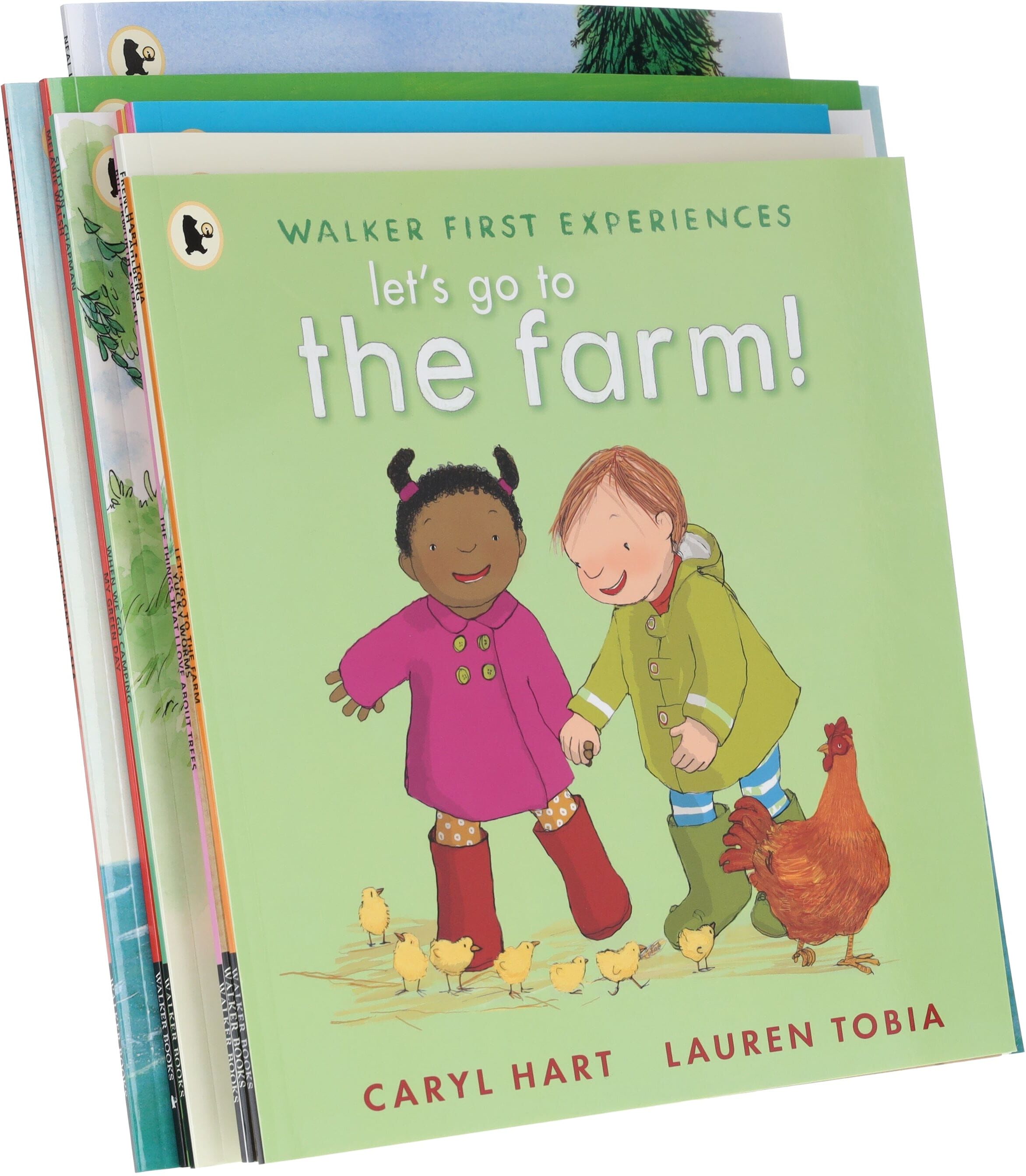
The Great Outdoors: 10 Wild and Wonderful Picture Books Collection Set - Ages 2-7 - Paperback Walker Books LtdEnjoy The Great Outdoors at story-time with this fantastic picture books Collection! From Sam Who Went To Sea to My Green Day, explore every happy garden tale in this amazing Collection of joy! Titles in this Set: 1. The Things That I Love About Trees 2. The Tree 3. Sally and the Limpet 4. Anywhere Farm 5. When We Go Camping 6. A Secret Worth Sharing 7. Lets Go To The Farm! 8. Yucky Worms 9. My Green Day 10. Sam Who Went to Sea Description: The Things That I Love About Trees A very young non-fiction picture book that looks at how a tree changes with the seasons, with charming illustrations by Charlotte Voake.Learn how a plum tree changes with the seasons in this charming... The Tree A delightful picture book with a wonderful twist which encourages young children to think about the way animals and humans live side by side.The tree. Home to a family of birds in their nest, squirrels... Sally and the Limpet When Sally pulls a limpet off a rock at the beach, it sticks to her finger – and nothing she, her family or her friends do can unstick it. Sally's teacher says that limpets live on the same rock for twenty years. So will Sally ever get the limpet off her finger? Anywhere Farm For an anywhere farm, here's all that you need: soil and sunshine, some water, a seed. When We Go Camping When we go camping, we bang in the pegs, Bang in the pegs, bang in the pegs. Guy ropes are tricky; they trip up your legs! A Secret Worth Sharing Mole's new friend, Mouse, is so special, he doesn't want to share her with anyone and decides to keep her secret. but some secrets are worth sharing. Lets Go To The Farm! Let's go to the farm with Billy and Bee! There's SO much to do, and SO much to see! Baby lambs and guinea pigs, and chickens on the run, Let's get your wellies on and join in all the fun! Yucky Worms You can't be FREINDS with an earthworm... You can't even tell WHICH end is which! Or CAN you? My Green Day Here are ten things we can all do to make every day a green day. Sam Who Went to Sea Sam, the river rat, dreams of going to sea. Day and night, whatever he is doing, his thoughts turn seawards. Feature Specification Authors and Illustrators Curation includes Vivian French, Simon James, Charlotte Voake, Phyllis Root, and Melanie Walsh Publisher Mixed Publisher Curation (featuring premium titles from Walker Books Ltd) Books Included The Things That I Love About Trees, The Tree, Sally and the Limpet, Anywhere Farm, When We Go Camping, A Secret Worth Sharing, Lets Go To The Farm!, Yucky Worms, My Green Day, Sam Who Went to Sea Total Books 10 Large-Format Illustrated Paperbacks (Complete Nature Curation) Target Age Range Ages 2 to 7 Years (Early Years Foundation Stage and Key Stage 1) Genre Children's Picture Storybooks / Environmental Reference / Early Literacy Core Motifs Backyard Gardening, Seasonal Changes, Wildlife Care, Marine Life, Camping Adventures 2026 Context Essential summer reading asset supporting interactive, screen-free family digital detoxing The...12,99 £*Shipping: 2,99 £Secure redirect to the provider
-
Usborne Beginners Nature 10 Books Children Collection - Ages 4-7- Paperback Usborne Publishing LtdTitles in This Set : 1. Ants 2. Bees & Wasps 3. Bugs 4. Spiders 5. Tadpoles and Frogs 6. Caterpillars and Butterflies 7. How Flowers Grow 8. Trees 9. Rainforest 10. Reptiles Description : Ants Where do ants live? What do they eat? How much weight can they carry? Little children can find out the answers to these questions and much more in this simple introduction to the world of ants. Bees & Wasps What do bees and wasps eat? What type of nests do they make? How do bees make honey? Find out the answers and lots more in this intriguing introduction to the fascinating world of bees and wasps. Bugs ''There are all kinds of different bugs. Some can jump up high. Other bugs have lots of legs.” Bugs is part of an exciting reading series for young children, with lots of pictures and very simple text. Spiders “Spiders have eight legs. Most of them have eight eyes, but some of them can’t see very well.” Learn all about spiders in this great book for children learning to read by themselves. Tadpoles and Frogs From egg to frog, find out about the entire life cycle of a frog in this easy-to-read fully illustrated book for young learners ages 4+. It comes complete with weblinks so you can see the process for yourself. Caterpillars and Butterflies A beautifully illustrated introduction to the life of butterflies and caterpillars, with easy to read text for beginner readers. The life cycle of a butterfly is shown with stunning photographs and illustrations, and there are links to carefully selected websites with videos that show butterflies emerging from their pupae. How Flowers Grow How do flowers grow in dry deserts? How do animals help to spread seeds? Which flower smells like rotting meat? Find out in this great book for young readers ages four and up. Trees How do trees use their leaves to make food? Why do they grow flowers and fruit? Which animals live inside a tree trunk and build nests in its branches? How can we help to protect trees? This book has all the answers and much more, along with photographs, step-by-step illustrations, simple text and links to websites with video clips and activities. Rainforests Learn all about the rainforest in this fantastic easy-to-read book for children 4+ beginning to strike out on their own. From towering trees to rainforest rivers, this fully-illustrated book also features links to carefully selected websites. Reptiles Learn all about the lizard world in this fully-illustrated guide, the latest in the Usborne Beginners series. From scaly skin to tongue tricks, this book for readers beginning to read on their own comes with carefully selected weblinks so you can see them in action.12,99 £*Shipping: 2,99 £Secure redirect to the provider
-
Little Nature Stories 10 Picture Book Collection Set - Ages 0-5 - Paperback Autumn PublishingTitles in this Set: 1. Little Apple Tree 2. Little Mushroom 3. Little Comet 4. Little Frog 5. Little Bee 6. Little Caterpillar 7. Little Ladybird 8. Little Owl 9. Little Turtle 10. The Life of a Little Cardboard Box Description: Nature Stories: Little Apple Tree Have you ever wondered how little apples grow? Inside the pages of this stunningly illustrated story you will meet a cute little apple tree and learn all about how it grows from a seed to a tall, leafy tree. Nature Stories: Little Mushroom Introducing Nature Stories: Little Musrhoom a captivating and beautifully illustrated padded board book that will ignite young minds with wonder and curiosity about the mysteries of nature. Have you ever wondered how little mushrooms grow in the forest? Little Comet Have you ever wondered what happens to a fiery comet as it races around our solar system? This stunningly illustrated story offers a perfect introduction to a comet's amazing journey and learn a little bit about our planets along the way! Little Frog Have you ever wondered how a tiny little tadpole can grow up to become a happy, hoppy frog? Little Bee Have you ever wondered what buzzy bees do inside their cozy hive? Little Caterpillar Have you ever wondered what happens to a caterpillar when it turns into a butterfly? Little Ladybird Have you ever wondered how a shiny, scarlet ladybird gets its spots? Little Owl Have you ever wondered what it's like to be an owl, soaring around the forest? Little Turtle Have you ever wondered what happens to a turtle after it breaks out of its egg and heads for a life in the ocean? The Life of a Little Cardboard Box Have you ever wondered what happens to a cardboard box when you no longer need it?12,99 £*Shipping: 2,99 £Secure redirect to the provider
-
Intex Friendly Octopus Inflatable Play Center W/ Water Slide, Kids Ages 2+INTEX FRIENDLY OCTOPUS INFLABLE PLAY CENTER: WATER SLIDE - 56138EP - Bring the sea to your backyard! Simply attach a garden hose to activate the sprayer, and watch the kids go down the water slide for summer time fun.65,99 $*Shipping: 0,00 $Secure redirect to the provider
-
What is the concept of human nature in the Middle Ages?
In the Middle Ages, the concept of human nature was heavily influenced by Christian theology and philosophy. Human nature was seen as inherently flawed and sinful due to the original sin of Adam and Eve. This view emphasized the need for redemption and salvation through faith and good works. Additionally, human nature was also seen as a combination of body and soul, with the soul being the immortal and divine aspect of a person. Overall, the concept of human nature in the Middle Ages was deeply rooted in religious beliefs and the idea of the fallen nature of humanity. **
-
Why is the Middle Ages actually called the Middle Ages?
The Middle Ages is called so because it is the period of time between the fall of the Roman Empire in the 5th century and the beginning of the Renaissance in the 14th century. It is considered the "middle" period between the classical antiquity of the Roman Empire and the modern era. This period is also known as the medieval period, and it is characterized by the development of feudalism, the rise of Christianity, and the dominance of monarchies in Europe. **
-
What did people in the Middle Ages call the Middle Ages?
During the Middle Ages, people did not refer to that time period as the "Middle Ages." Instead, they viewed themselves as living in the present time and did not have a specific term to describe their era. The concept of dividing history into distinct periods, such as the Middle Ages, Renaissance, and Modern era, was developed by later historians looking back on history. The term "Middle Ages" was first coined in the 15th century by Renaissance scholars who viewed the period between the fall of the Roman Empire and their own time as a "middle" or intermediate period. **
-
Which hobbies involve being outdoors in nature?
Hobbies that involve being outdoors in nature include hiking, birdwatching, gardening, camping, fishing, and photography. These activities allow individuals to connect with the natural world, breathe in fresh air, and enjoy the beauty of the outdoors. Engaging in these hobbies can also provide physical and mental health benefits, such as reducing stress and increasing physical activity. **
Similar search terms for Ages
-
Usborne Beginners Nature & Science Collection 20 Books Set - Ages 4-10 - Paperback Usborne Publishing LtdTitles in This Set: Usborne Beginners Nature 10 Books: 1. Ants 2. Bees & Wasps 3. Bugs 4. Spiders 5. Tadpoles and Frogs 6. Caterpillars and Butterflies 7. How Flowers Grow 8. Trees 9. Rainforest 10. Reptiles Usborne Beginners Science 10 Books: 1. Earthquakes & Tsunamis 2. Sun Moon and Stars 3. Living in Space 4. Storms and Hurricanes 5. Volcanoes 6. Astronomy 7. The Solar System 8. Your Body 9. Planet Earth 10. Weather Description : Usborne Beginners Nature 10 Books Ants Where do ants live? What do they eat? How much weight can they carry? Little children can find out the answers to these questions and much more in this simple introduction to the world of ants. Bees & Wasps What do bees and wasps eat? What type of nests do they make? How do bees make honey? Find out the answers and lots more in this intriguing introduction to the fascinating world of bees and wasps. Bugs ''There are all kinds of different bugs. Some can jump up high. Other bugs have lots of legs.” Bugs is part of an exciting reading series for young children, with lots of pictures and very simple text. Spiders “Spiders have eight legs. Most of them have eight eyes, but some of them can’t see very well.” Learn all about spiders in this great book for children learning to read by themselves. Tadpoles and Frogs From egg to frog, find out about the entire life cycle of a frog in this easy-to-read fully illustrated book for young learners ages 4+. It comes complete with weblinks so you can see the process for yourself. Caterpillars and Butterflies A beautifully illustrated introduction to the life of butterflies and caterpillars, with easy to read text for beginner readers. The life cycle of a butterfly is shown with stunning photographs and illustrations, and there are links to carefully selected websites with videos that show butterflies emerging from their pupae. How Flowers Grow How do flowers grow in dry deserts? How do animals help to spread seeds? Which flower smells like rotting meat? Find out in this great book for young readers ages four and up. Trees How do trees use their leaves to make food? Why do they grow flowers and fruit? Which animals live inside a tree trunk and build nests in its branches? How can we help to protect trees? This book has all the answers and much more, along with photographs, step-by-step illustrations, simple text and links to websites with video clips and activities. Rainforests Learn all about the rainforest in this fantastic easy-to-read book for children 4+ beginning to strike out on their own. From towering trees to rainforest rivers, this fully-illustrated book also features links to carefully selected websites. Reptiles Learn all about the lizard world in this fully-illustrated guide, the latest in the Usborne Beginners series. From scaly skin to tongue tricks, this book for readers beginning to read on their own comes with carefully selected weblinks so you can see them in action. Usborne Beginners Science 10 Books: Earthquakes & Tsunamis...29,99 £*Shipping: 2,99 £Secure redirect to the provider
-
Usborne Beginners Nature 10 Books Box Set Collection - Ages 4-7 - Hardback Usborne Publishing LtdPlease note that we have two different covers available in stock and you may receive one of the cover sets. Titles In This Set: 1. Reptiles 2. Tadpoles and Frogs 3. Rainforest 4. Trees 5. How Flowers Grow 6. Caterpillars and Butterflies 7. Spiders 8. Bugs 9. Bees & Wasps 10. Ants Feature Specification Authors Various Authors (including Emily Bone, Stephanie Turnbull, and Leonie Pratt) Publisher Usborne Publishing Ltd ISBN-13 9789123654321 Format Hardback (Premium Durable Case Binding) Total Books 10 Hardback Reference Volumes (Complete Nature Subseries) Books Included Ants, Bees and Wasps, Bugs, Spiders, Caterpillars and Butterflies, Tadpoles and Frogs, Reptiles, Rainforest, Trees, Seed to Sunflower Target Audience Emerging independent readers, Key Stage 1 and 2 learners (Ages 5 to 9, plus older reluctant readers up to age 14) Core Subject Areas Entomology, Botany, Zoology, Ecosystem Ecology, Metamorphosis 2026 Context Essential family reference resource supporting interactive, screen-free summer holiday learning starting next month Description: Reptiles This is a fantastic brand new addition to the "Beginners" series, designed to provide an informative introduction to trees and plant-life for young readers. Tadpoles and Frogs Vivid, full colour illustrations and photographs on every page, accompanied by short, informative text. Rainforest It offers a terrific reading practice for children who prefer fact to fiction. It is developed with a reading expert from Roehampton University to help young readers grow in confidence. Trees This is a fantastic brand new addition to the 'Beginners' series, designed to provide an informative introduction to trees and plant-life for young readers. How Flowers Grow How do flowers grow in dry deserts? How do animals help to spread seeds? Which flower smells like rotting meat? Caterpillars and Butterflies Usborne Beginners are colourful information books for children beginning to read on their own. Spiders Usborne Beginners are colourful information books for children beginning to read on their own. Bugs Usborne Beginners are colourful information books for children beginning to read on their own. Bees & Wasps A slim and unintimidating book which belies its contents - a wealth of information, much of which will be new even to adults. Ants Where do ants live? What do they eat? How much weight can they carry? Little children can find out the answers to these questions and much more in this simple introduction to the world of ants. Usborne Publishing is a multi-award-winning, internationally acclaimed independent UK publisher, previously named British Book Awards Children's Publisher of the Year. The Usborne Beginners series is meticulously crafted alongside academic consultants and literacy specialists, ensuring every biological, botanical, and ecological fact matches rigorous national school educational benchmarks. These official hardback editions are globally celebrated for their signature combination of vivid...14,99 £*Shipping: 2,99 £Secure redirect to the provider
-
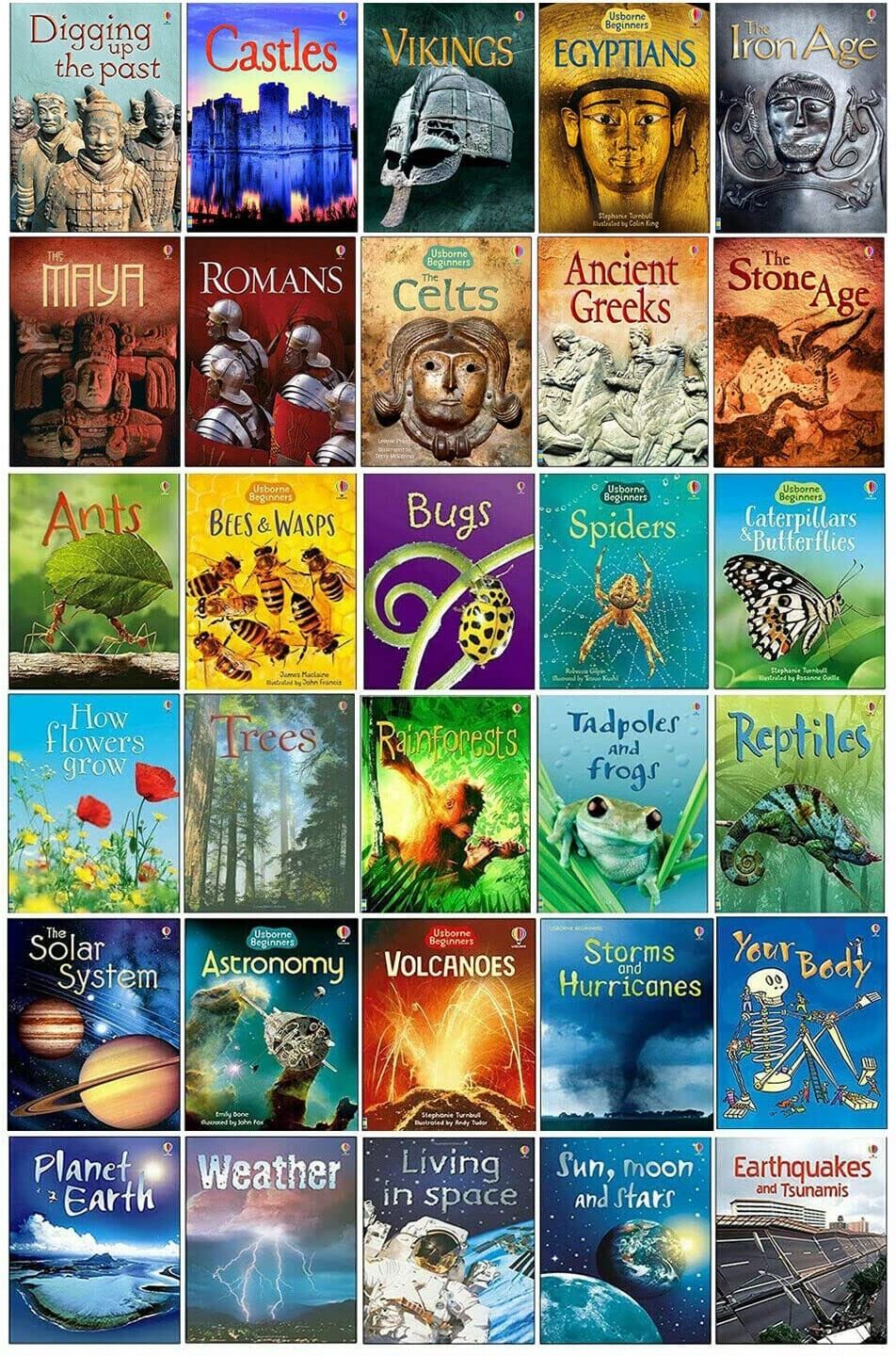
Usborne Beginners Nature, Science & History Collection 30 Books Set - Ages 4-10 - Paperback Usborne Publishing LtdTitles in This Set: Usborne Beginners Nature 10 Books: 1. Ants 2. Bees & Wasps 3. Bugs 4. Spiders 5. Tadpoles and Frogs 6. Caterpillars and Butterflies 7. How Flowers Grow 8. Trees 9. Rainforest 10. Reptiles Usborne Beginners Science 10 Books: 1. Earthquakes & Tsunamis 2. Sun Moon and Stars 3. Living in Space 4. Storms and Hurricanes 5. Volcanoes 6. Astronomy 7. The Solar System 8. Your Body 9. Planet Earth 10. Weather Usborne Beginners History 10 Books: Titles in This Set: 1. Ancient Greeks 2. Castles 3. Celts 4. Digging Up the Past 5. Egyptians 6. Iron Age 7. Maya 8. Romans 9. Stone Age 10. Vikings Description : Usborne Beginners Nature 10 Books Ants Where do ants live? What do they eat? How much weight can they carry? Little children can find out the answers to these questions and much more in this simple introduction to the world of ants. Bees & Wasps What do bees and wasps eat? What type of nests do they make? How do bees make honey? Find out the answers and lots more in this intriguing introduction to the fascinating world of bees and wasps. Bugs ''There are all kinds of different bugs. Some can jump up high. Other bugs have lots of legs.” Bugs is part of an exciting reading series for young children, with lots of pictures and very simple text. Spiders “Spiders have eight legs. Most of them have eight eyes, but some of them can’t see very well.” Learn all about spiders in this great book for children learning to read by themselves. Tadpoles and Frogs From egg to frog, find out about the entire life cycle of a frog in this easy-to-read fully illustrated book for young learners ages 4+. It comes complete with weblinks so you can see the process for yourself. Caterpillars and Butterflies A beautifully illustrated introduction to the life of butterflies and caterpillars, with easy to read text for beginner readers. The life cycle of a butterfly is shown with stunning photographs and illustrations, and there are links to carefully selected websites with videos that show butterflies emerging from their pupae. How Flowers Grow How do flowers grow in dry deserts? How do animals help to spread seeds? Which flower smells like rotting meat? Find out in this great book for young readers ages four and up. Trees How do trees use their leaves to make food? Why do they grow flowers and fruit? Which animals live inside a tree trunk and build nests in its branches? How can we help to protect trees? This book has all the answers and much more, along with photographs, step-by-step illustrations, simple text and links to websites with video clips and activities. Rainforests Learn all about the rainforest in this fantastic easy-to-read book for children 4+ beginning to strike out on their own. From towering trees to rainforest rivers, this fully-illustrated book also features links to carefully selected websites. Reptiles Learn all about the lizard world in this fully-illustrated guide, the latest in the Usborne Beginners series. From scaly skin to tongue tricks...42,75 £*Shipping: 0,00 £Secure redirect to the provider
-
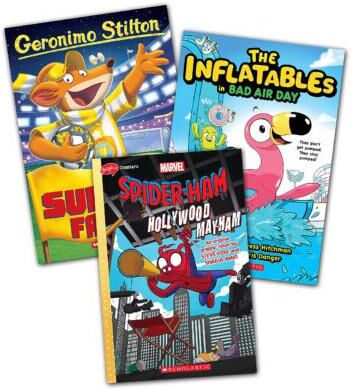
Scholastic Favorite Read Alouds (Ages 7-10)These stories full of action and adventure are sure to be read aloud favorites.This set includes:Spider-Ham: Hollywood May-HamThe Inflatables in Bad Air Day (The Inflatables #1)The Super Cup Face-Off (Geronimo Stilton #81) Favorite Read Alouds (Ages...20,36 $*Shipping: 0,00 $Secure redirect to the provider
-
Why is whiskey and cola for ages 18 and wine for ages 16?
Whiskey and cola is typically considered a stronger alcoholic beverage, and the legal drinking age for stronger alcoholic drinks is generally higher than for milder ones. Wine is often considered a lighter alcoholic beverage, and therefore the legal drinking age for wine is lower. These age restrictions are based on the perceived maturity and ability to handle the effects of different types of alcohol. Additionally, cultural and historical factors also play a role in determining the legal drinking age for different types of alcohol in different countries. **
-
What characterizes the Dark Ages?
The Dark Ages, also known as the Early Middle Ages, were characterized by a decline in centralized authority, cultural stagnation, and economic instability following the fall of the Western Roman Empire. This period saw a lack of significant advancements in science, technology, and the arts, as well as a decrease in urbanization and trade. The Dark Ages were marked by frequent invasions, warfare, and the spread of disease, leading to a general sense of insecurity and a focus on survival rather than progress. **
-
What characterizes the Middle Ages?
The Middle Ages, also known as the medieval period, is characterized by a feudal social structure with kings, lords, and serfs. It was a time of great religious influence, with the Catholic Church playing a central role in people's lives. The period was marked by widespread illiteracy, limited scientific and technological advancements, and a focus on agriculture and rural life. The Middle Ages also saw the rise of chivalry and the code of honor among knights, as well as the construction of magnificent cathedrals and castles. **
-
Why are Xbox gift cards for ages 13 and PSN gift cards for ages 18?
Xbox gift cards are typically for ages 13 because the Xbox platform is generally considered more family-friendly and has a wider range of games suitable for younger audiences. On the other hand, PSN gift cards are for ages 18 because the PlayStation platform tends to have a larger selection of mature-rated games that are intended for older players. This age restriction helps ensure that individuals are purchasing content that is appropriate for their age group. **
* All prices are inclusive of VAT and, if applicable, plus shipping costs. The offer information is based on the details provided by the respective shop and is updated through automated processes. Real-time updates do not occur, so deviations can occur in individual cases. ** Note: Parts of this content were created by AI.