Buy wasserfall.eu ?
We are moving the project
wasserfall.eu .
Are you interested in purchasing the domain
wasserfall.eu ?
domain@kv-gmbh.de · 0541-91531010
Buy wasserfall.eu ?
What ecosystems are there in Germany?
Germany is home to a variety of ecosystems, including forests, grasslands, wetlands, rivers, lakes, and coastal areas. The country's diverse landscapes support a wide range of plant and animal species, making it a rich and important biodiversity hotspot. These ecosystems are carefully managed and protected through national parks, nature reserves, and conservation efforts to ensure their preservation for future generations. **
Do closed ecosystems work in aquaristics?
Closed ecosystems, also known as self-sustaining ecosystems, can work in aquaristics under the right conditions. These ecosystems can be created in a sealed environment such as a fish tank, where the balance of plants, animals, and microorganisms can sustain themselves without external inputs. However, maintaining a truly closed ecosystem can be challenging, as it requires careful monitoring and management to ensure that all components are in balance. Additionally, closed ecosystems may not be suitable for all types of aquatic life, and some species may require more specific environmental conditions that cannot be fully replicated in a closed system. **

Similar search terms for Ecosystems
Top-Angebote
Products related to Ecosystems:
-
Navien Cascade Wire Harness For NPE Water HeatersNavien Cascade Wire Harness – Seamless Connectivity for NPE Water Heaters The Navien Cascade Wire Harness is an essential accessory designed specifically for Navien NPE water heaters. It enables seamless cascading of multiple units, allowing them to work together efficiently to meet high hot water demand. By ensuring reliable communication between connected water heaters, this wire harness optimizes performance and extends the functionality of your Navien system. Whether for residential or commercial applications, the Navien Cascade Wire Harness simplifies the process of connecting multiple NPE water heaters, making it an indispensable component for large-scale hot water systems. Key Features and Benefits Reliable21,22 £*Shipping: 5,00 £Secure redirect to the provider
-
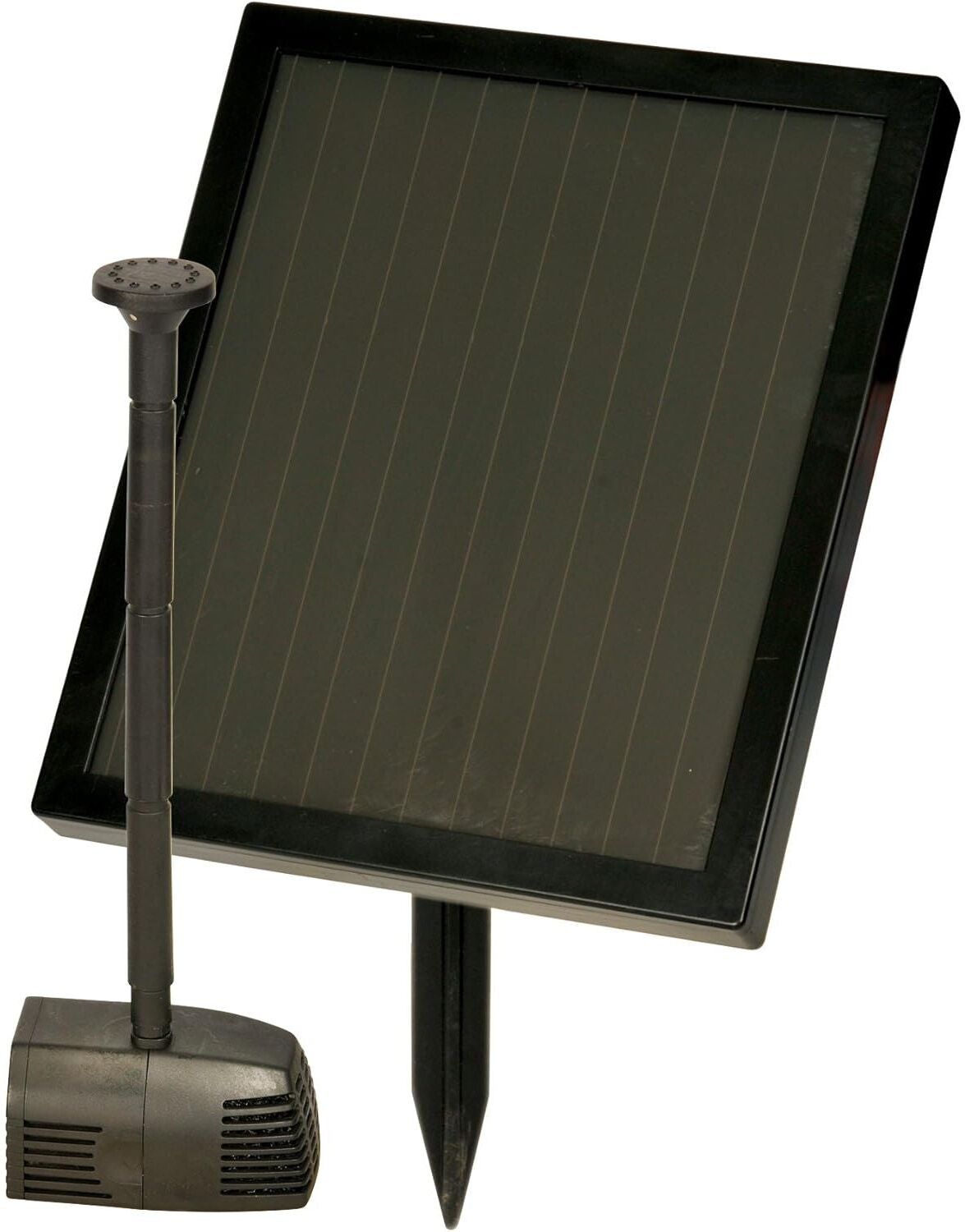
Hozelock Solar Cascade 300 Water Pump – Model 3538 0000The Hozelock Solar Cascade 300 Water Pump is an energy-efficient, solar-powered solution for adding movement and visual interest to small ponds, bird baths and water features. Easy to install and environmentally friendly, it operates directly from sunlight, providing a gentle cascade effect without the need for mains electricity. Key Features Solar-powered operation – no mains power required Ideal for small ponds, bird baths and water features Includes multiple fountain heads for different water patterns Compact and lightweight design Easy installation with no wiring or tools required Runs automatically in direct sunlight Quiet operation for peaceful outdoor environments Benefits This Hozelock solar pump offers a simple way to enhance outdoor spaces while reducing energy consumption. Its solar-powered design makes it cost-effective and eco-friendly, while the interchangeable fountain heads allow you to customise the look of your water feature. Ideal for gardens where electrical access is limited, it delivers reliable performance with minimal setup. Specifications Table Specification Details Brand Hozelock Model Solar Cascade 300 Product Type Solar Water Pump Power Source Solar Max Flow Rate 300 L/h Application Small Ponds & Water Features Installation Free-standing / Submersible Operation Automatic in Sunlight Colour Black EAN / Barcode 5010646055291 wate Ideal for homeowners and gardeners looking to enhance ponds or water features with minimal energy use. Perfect for small garden ponds, bird baths, decorative bowls and outdoor water features where a solar-powered solution is preferred.67,98 £*Shipping: 0,00 £Secure redirect to the provider
-
Uplift Picks Solar Retro Filament Pathway Light For Warm Garden Landscape Glow Outdoors black (a)Bring vintage character and a welcoming glow to pathways after sunset. This solar pathway light combines retro styling with a tungsten style filament LED for warm decorative illumination. Solar charging keeps installation cordless, making it easy to...180,00 $*Shipping: 0,00 $Secure redirect to the provider
-
Inspire Essentials Forest Window Illusion Wall Tapestry Scenic Nature Wall Hanging Decor 13 150x100cmTransform your room into a peaceful escape with this stunning window illusion wall tapestry designed to bring the beauty of nature indoors. Featuring a scenic forest view that looks like a hidden window through your wall this piece creates depth and...106,48 $*Shipping: 0,00 $Secure redirect to the provider


-
What are natural or near-natural ecosystems?
Natural or near-natural ecosystems are areas of land or water that have not been significantly altered by human activity. These ecosystems are characterized by a high degree of biodiversity and are home to a wide variety of plant and animal species. They are often self-sustaining and have complex interactions between different organisms and their environment. Examples of natural or near-natural ecosystems include old-growth forests, coral reefs, and wetlands. These ecosystems are important for maintaining ecological balance and providing essential services such as clean water, air, and habitat for wildlife. **
-
Why are streams or rivers open ecosystems?
Streams or rivers are open ecosystems because they are constantly exchanging energy and materials with their surrounding environment. They receive inputs of water, nutrients, and organic matter from the surrounding land, and they also release water and nutrients downstream. This constant flow of materials and energy allows for a high level of biodiversity and dynamic interactions between the organisms and their environment. Additionally, streams and rivers are often connected to other ecosystems such as wetlands, forests, and lakes, further contributing to their open nature. **
-
How do material cycles work in ecosystems?
Material cycles in ecosystems involve the movement and recycling of essential elements such as carbon, nitrogen, and phosphorus. These elements are taken up by plants from the soil or water, and then transferred to herbivores when they consume the plants. When the herbivores are eaten by carnivores, the elements are further transferred up the food chain. When organisms die, their bodies decompose, releasing the elements back into the environment to be taken up by plants again. This continuous cycling of materials ensures that essential elements are constantly being recycled and made available for use by different organisms in the ecosystem. **
-
Would you describe landscape ecosystems as a space-time phenomenon? If so, why? And vice versa?
Yes, landscape ecosystems can be described as a space-time phenomenon. This is because ecosystems are not static entities but are constantly changing and evolving over time. The interactions between living organisms and their environment occur in a specific spatial context, and these interactions unfold over time, leading to dynamic changes in the landscape. Conversely, the spatial configuration of an ecosystem influences the temporal dynamics of ecological processes, such as nutrient cycling, succession, and species interactions. Therefore, understanding landscape ecosystems requires considering both their spatial and temporal dimensions. **

Would you consider landscape ecosystems as a space-time phenomenon? If yes, why? And vice versa?
Yes, landscape ecosystems can be considered as a space-time phenomenon. This is because ecosystems are not static entities but are constantly changing and evolving over time in response to various environmental factors. The spatial distribution of different species and their interactions within an ecosystem are influenced by temporal factors such as climate change, seasonal variations, and ecological succession. Vice versa, understanding the spatial distribution and arrangement of different components within an ecosystem can provide insights into the temporal dynamics and processes that shape the ecosystem over time. Therefore, viewing landscape ecosystems as a space-time phenomenon allows for a more holistic understanding of their complexity and interconnectedness. **
What is the topic of ecosystems in biology?
Ecosystems in biology refer to the interactions between living organisms and their physical environment within a specific area. This topic explores how different species within an ecosystem depend on each other for survival, as well as how energy and nutrients flow through the ecosystem. Understanding ecosystems is crucial for studying biodiversity, conservation, and the impact of human activities on natural environments. **
Top-Angebote
Products related to Ecosystems:
-
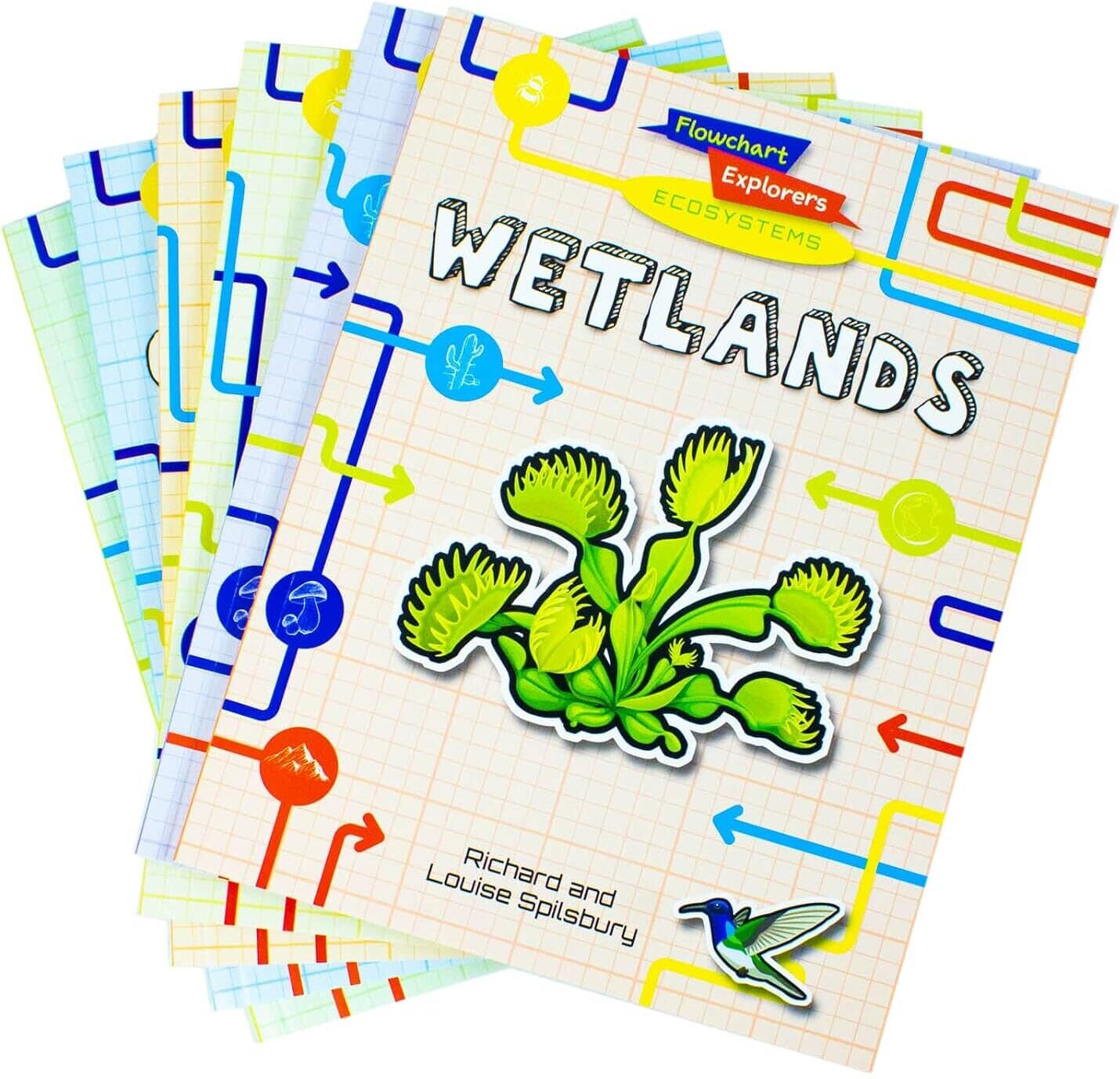
Flowchart Explorers Ecosystems Series 6 Books Collection Set - Ages 9-11 - Paperback Fox Eye PublishingEmbark on a journey of discovery with the "Flowchart Explorers Ecosystems STEM" 6-book set! Explore the wonders of deserts, grasslands, mountains, oceans, rainforests, and wetlands through engaging geography and science books. Titles In This Set: Deserts Grasslands Mountains Oceans Rain Forests Wetlands Description: Deserts Journey into the arid landscapes of deserts and uncover the unique adaptations of plants and animals to survive in extreme conditions. Explore the shifting sands and the fascinating life that thrives in these seemingly barren environments. Grasslands Roam the vast plains of grasslands and discover the rich biodiversity of these expansive ecosystems. Learn about the diverse wildlife, from grazing herbivores to cunning predators, and the essential role grasslands play in supporting life on Earth. Mountains Ascend to the towering peaks of mountains and explore the rugged terrain of these majestic landscapes. Discover the geological forces that shape mountains, the hardy flora and fauna that inhabit them, and the challenges of living at high altitudes. Oceans Dive into the depths of the oceans and unlock the mysteries of the world's largest and most vital ecosystems. From the sunlit surface to the abyssal depths, explore the incredible diversity of marine life and the interconnectedness of oceanic processes. Rain Forests Venture into the lush green canopies of rainforests and marvel at the incredible biodiversity found within these vibrant ecosystems. Discover the intricate relationships between plants, animals, and indigenous peoples, and the importance of conserving these irreplaceable habitats. Wetlands Wade into the tranquil waters of wetlands and explore the dynamic landscapes where water meets land. Learn about the diverse array of wetland ecosystems, from marshes to swamps, and their crucial role in filtering water, mitigating floods, and providing habitat for countless species.13,95 £*Shipping: 2,99 £Secure redirect to the provider
-
Uplift Picks Solar Landscape Spotlights Brighten Pathways Gardens Patios Lawns Every Night Outdoors Solar Landscape Spotlights Brighten Pathways Gardens Patios Lawns Every Night OutdoorsHighlight pathways and garden features with focused solar landscape lights that work without outdoor wiring. Their ground mounted design suits lawns, patios, walkways, flower beds, and decorative landscape areas. The matching product is listed with...82,98 $*Shipping: 0,00 $Secure redirect to the provider
-
Navien Cascade Wire Harness For NPE Water HeatersNavien Cascade Wire Harness – Seamless Connectivity for NPE Water Heaters The Navien Cascade Wire Harness is an essential accessory designed specifically for Navien NPE water heaters. It enables seamless cascading of multiple units, allowing them to work together efficiently to meet high hot water demand. By ensuring reliable communication between connected water heaters, this wire harness optimizes performance and extends the functionality of your Navien system. Whether for residential or commercial applications, the Navien Cascade Wire Harness simplifies the process of connecting multiple NPE water heaters, making it an indispensable component for large-scale hot water systems. Key Features and Benefits Reliable21,22 £*Shipping: 5,00 £Secure redirect to the provider
-
Hozelock Solar Cascade 300 Water Pump – Model 3538 0000The Hozelock Solar Cascade 300 Water Pump is an energy-efficient, solar-powered solution for adding movement and visual interest to small ponds, bird baths and water features. Easy to install and environmentally friendly, it operates directly from sunlight, providing a gentle cascade effect without the need for mains electricity. Key Features Solar-powered operation – no mains power required Ideal for small ponds, bird baths and water features Includes multiple fountain heads for different water patterns Compact and lightweight design Easy installation with no wiring or tools required Runs automatically in direct sunlight Quiet operation for peaceful outdoor environments Benefits This Hozelock solar pump offers a simple way to enhance outdoor spaces while reducing energy consumption. Its solar-powered design makes it cost-effective and eco-friendly, while the interchangeable fountain heads allow you to customise the look of your water feature. Ideal for gardens where electrical access is limited, it delivers reliable performance with minimal setup. Specifications Table Specification Details Brand Hozelock Model Solar Cascade 300 Product Type Solar Water Pump Power Source Solar Max Flow Rate 300 L/h Application Small Ponds & Water Features Installation Free-standing / Submersible Operation Automatic in Sunlight Colour Black EAN / Barcode 5010646055291 wate Ideal for homeowners and gardeners looking to enhance ponds or water features with minimal energy use. Perfect for small garden ponds, bird baths, decorative bowls and outdoor water features where a solar-powered solution is preferred.67,98 £*Shipping: 0,00 £Secure redirect to the provider
-
What ecosystems are there in Germany?
Germany is home to a variety of ecosystems, including forests, grasslands, wetlands, rivers, lakes, and coastal areas. The country's diverse landscapes support a wide range of plant and animal species, making it a rich and important biodiversity hotspot. These ecosystems are carefully managed and protected through national parks, nature reserves, and conservation efforts to ensure their preservation for future generations. **
-
Do closed ecosystems work in aquaristics?
Closed ecosystems, also known as self-sustaining ecosystems, can work in aquaristics under the right conditions. These ecosystems can be created in a sealed environment such as a fish tank, where the balance of plants, animals, and microorganisms can sustain themselves without external inputs. However, maintaining a truly closed ecosystem can be challenging, as it requires careful monitoring and management to ensure that all components are in balance. Additionally, closed ecosystems may not be suitable for all types of aquatic life, and some species may require more specific environmental conditions that cannot be fully replicated in a closed system. **
-
What are natural or near-natural ecosystems?
Natural or near-natural ecosystems are areas of land or water that have not been significantly altered by human activity. These ecosystems are characterized by a high degree of biodiversity and are home to a wide variety of plant and animal species. They are often self-sustaining and have complex interactions between different organisms and their environment. Examples of natural or near-natural ecosystems include old-growth forests, coral reefs, and wetlands. These ecosystems are important for maintaining ecological balance and providing essential services such as clean water, air, and habitat for wildlife. **
-
Why are streams or rivers open ecosystems?
Streams or rivers are open ecosystems because they are constantly exchanging energy and materials with their surrounding environment. They receive inputs of water, nutrients, and organic matter from the surrounding land, and they also release water and nutrients downstream. This constant flow of materials and energy allows for a high level of biodiversity and dynamic interactions between the organisms and their environment. Additionally, streams and rivers are often connected to other ecosystems such as wetlands, forests, and lakes, further contributing to their open nature. **
Similar search terms for Ecosystems
-
Uplift Picks Solar Retro Filament Pathway Light For Warm Garden Landscape Glow Outdoors black (a)Bring vintage character and a welcoming glow to pathways after sunset. This solar pathway light combines retro styling with a tungsten style filament LED for warm decorative illumination. Solar charging keeps installation cordless, making it easy to...180,00 $*Shipping: 0,00 $Secure redirect to the provider
-
Inspire Essentials Forest Window Illusion Wall Tapestry Scenic Nature Wall Hanging Decor 13 150x100cmTransform your room into a peaceful escape with this stunning window illusion wall tapestry designed to bring the beauty of nature indoors. Featuring a scenic forest view that looks like a hidden window through your wall this piece creates depth and...106,48 $*Shipping: 0,00 $Secure redirect to the provider
-
Uplift Picks Solar Retro Filament Pathway Light For Warm Garden Landscape Glow Outdoors black (b)Bring vintage character and a welcoming glow to pathways after sunset. This solar pathway light combines retro styling with a tungsten style filament LED for warm decorative illumination. Solar charging keeps installation cordless, making it easy to...180,00 $*Shipping: 0,00 $Secure redirect to the provider
-
Inspire Essentials Forest Window Illusion Wall Tapestry Scenic Nature Wall Hanging Decor 18 150x130cmTransform your room into a peaceful escape with this stunning window illusion wall tapestry designed to bring the beauty of nature indoors. Featuring a scenic forest view that looks like a hidden window through your wall this piece creates depth and...106,48 $*Shipping: 0,00 $Secure redirect to the provider
-
How do material cycles work in ecosystems?
Material cycles in ecosystems involve the movement and recycling of essential elements such as carbon, nitrogen, and phosphorus. These elements are taken up by plants from the soil or water, and then transferred to herbivores when they consume the plants. When the herbivores are eaten by carnivores, the elements are further transferred up the food chain. When organisms die, their bodies decompose, releasing the elements back into the environment to be taken up by plants again. This continuous cycling of materials ensures that essential elements are constantly being recycled and made available for use by different organisms in the ecosystem. **
-
Would you describe landscape ecosystems as a space-time phenomenon? If so, why? And vice versa?
Yes, landscape ecosystems can be described as a space-time phenomenon. This is because ecosystems are not static entities but are constantly changing and evolving over time. The interactions between living organisms and their environment occur in a specific spatial context, and these interactions unfold over time, leading to dynamic changes in the landscape. Conversely, the spatial configuration of an ecosystem influences the temporal dynamics of ecological processes, such as nutrient cycling, succession, and species interactions. Therefore, understanding landscape ecosystems requires considering both their spatial and temporal dimensions. **
-
Would you consider landscape ecosystems as a space-time phenomenon? If yes, why? And vice versa?
Yes, landscape ecosystems can be considered as a space-time phenomenon. This is because ecosystems are not static entities but are constantly changing and evolving over time in response to various environmental factors. The spatial distribution of different species and their interactions within an ecosystem are influenced by temporal factors such as climate change, seasonal variations, and ecological succession. Vice versa, understanding the spatial distribution and arrangement of different components within an ecosystem can provide insights into the temporal dynamics and processes that shape the ecosystem over time. Therefore, viewing landscape ecosystems as a space-time phenomenon allows for a more holistic understanding of their complexity and interconnectedness. **
-
What is the topic of ecosystems in biology?
Ecosystems in biology refer to the interactions between living organisms and their physical environment within a specific area. This topic explores how different species within an ecosystem depend on each other for survival, as well as how energy and nutrients flow through the ecosystem. Understanding ecosystems is crucial for studying biodiversity, conservation, and the impact of human activities on natural environments. **
* All prices are inclusive of VAT and, if applicable, plus shipping costs. The offer information is based on the details provided by the respective shop and is updated through automated processes. Real-time updates do not occur, so deviations can occur in individual cases. ** Note: Parts of this content were created by AI.