Buy wasserfall.eu ?
We are moving the project
wasserfall.eu .
Are you interested in purchasing the domain
wasserfall.eu ?
domain@kv-gmbh.de · 0541-91531010
Buy wasserfall.eu ?
What kind of water organism is this?
This is a jellyfish, which is a type of marine organism belonging to the phylum Cnidaria. Jellyfish are known for their gelatinous, umbrella-shaped bodies and their stinging tentacles. They are found in oceans all over the world and come in a variety of shapes, sizes, and colors. Jellyfish play an important role in marine ecosystems as both predators and prey. **
How did the unicellular organism evolve into a multicellular organism?
The evolution of unicellular organisms into multicellular organisms is believed to have occurred through a process called coloniality. Initially, unicellular organisms formed colonies where individual cells worked together for survival. Over time, some cells within these colonies specialized in specific functions, leading to the development of multicellular organisms with different cell types. This specialization allowed for more complex structures and functions, ultimately leading to the evolution of multicellular organisms. **

Similar search terms for Organism
Top-Angebote
Products related to Organism:
-
Hozelock Solar Cascade 300 Water Pump – Model 3538 0000The Hozelock Solar Cascade 300 Water Pump is an energy-efficient, solar-powered solution for adding movement and visual interest to small ponds, bird baths and water features. Easy to install and environmentally friendly, it operates directly from sunlight, providing a gentle cascade effect without the need for mains electricity. Key Features Solar-powered operation – no mains power required Ideal for small ponds, bird baths and water features Includes multiple fountain heads for different water patterns Compact and lightweight design Easy installation with no wiring or tools required Runs automatically in direct sunlight Quiet operation for peaceful outdoor environments Benefits This Hozelock solar pump offers a simple way to enhance outdoor spaces while reducing energy consumption. Its solar-powered design makes it cost-effective and eco-friendly, while the interchangeable fountain heads allow you to customise the look of your water feature. Ideal for gardens where electrical access is limited, it delivers reliable performance with minimal setup. Specifications Table Specification Details Brand Hozelock Model Solar Cascade 300 Product Type Solar Water Pump Power Source Solar Max Flow Rate 300 L/h Application Small Ponds & Water Features Installation Free-standing / Submersible Operation Automatic in Sunlight Colour Black EAN / Barcode 5010646055291 wate Ideal for homeowners and gardeners looking to enhance ponds or water features with minimal energy use. Perfect for small garden ponds, bird baths, decorative bowls and outdoor water features where a solar-powered solution is preferred.67,98 £*Shipping: 0,00 £Secure redirect to the provider
-
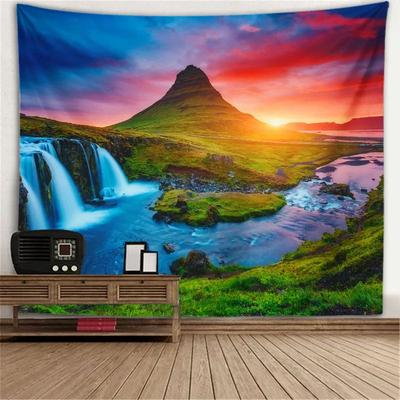
Inspire Essentials Forest Window Illusion Wall Tapestry Scenic Nature Wall Hanging Decor 9 200x150cmTransform your room into a peaceful escape with this stunning window illusion wall tapestry designed to bring the beauty of nature indoors. Featuring a scenic forest view that looks like a hidden window through your wall this piece creates depth and...106,48 $*Shipping: 0,00 $Secure redirect to the provider
-
Inspire Essentials Forest Window Illusion Wall Tapestry Scenic Nature Wall Hanging Decor 6 150x100cmTransform your room into a peaceful escape with this stunning window illusion wall tapestry designed to bring the beauty of nature indoors. Featuring a scenic forest view that looks like a hidden window through your wall this piece creates depth and...106,48 $*Shipping: 0,00 $Secure redirect to the provider
-
Inspire Essentials Forest Window Illusion Wall Tapestry Scenic Nature Wall Hanging Decor 22 150x100cmTransform your room into a peaceful escape with this stunning window illusion wall tapestry designed to bring the beauty of nature indoors. Featuring a scenic forest view that looks like a hidden window through your wall this piece creates depth and...106,48 $*Shipping: 0,00 $Secure redirect to the provider



-
How does a single-celled organism become a multicellular organism?
A single-celled organism can become a multicellular organism through a process called cell division and specialization. Initially, the single cell undergoes multiple rounds of cell division, resulting in a cluster of cells. These cells then start to differentiate and specialize in their functions, forming different types of tissues and organs. Through further cell division, specialization, and coordination, these cells organize themselves into a complex multicellular organism with various cell types working together to perform specific functions. This process is known as cellular differentiation and is essential for the development of multicellular organisms. **
-
How can a single-celled organism become a multicellular organism?
A single-celled organism can become a multicellular organism through a process called cell aggregation. This occurs when individual cells come together and adhere to each other, forming a multicellular structure. Over time, these cells differentiate and specialize to perform specific functions within the organism, leading to the development of tissues and organs. This process allows the single-celled organism to evolve into a complex, multicellular organism with a higher level of organization and specialization. **
-
How did the single-celled organism develop into a multicellular organism?
The transition from single-celled to multicellular organisms is thought to have occurred through a process called coloniality, where individual cells began to work together and specialize in different functions. This allowed for more efficient resource utilization and increased the organism's ability to adapt to different environments. Over time, these specialized cells became more integrated and developed into the complex multicellular organisms we see today. This transition likely occurred independently in different lineages of organisms, leading to the diverse array of multicellular life forms we see today. **
-
Can viruses transform an entire organism into another similar and permanently viable organism?
No, viruses cannot transform an entire organism into another similar and permanently viable organism. Viruses are not capable of causing such a drastic and complex transformation in an organism. While viruses can cause changes in the host organism's cells and genetic material, they do not have the ability to completely transform one organism into another. The concept of a virus causing such a transformation is more characteristic of science fiction rather than actual scientific understanding of virology. **

Is cress a living organism?
Yes, cress is a living organism. It is a type of plant that belongs to the mustard family and is commonly grown for its edible leaves. Like all plants, cress is a living organism that undergoes processes such as photosynthesis, respiration, and growth. It requires water, sunlight, and nutrients to survive and thrive. **
Is the blastocyst an organism?
Yes, the blastocyst is considered an organism. It is the stage of development of a fertilized egg before it implants into the uterus. At this stage, the blastocyst is a multicellular structure with specialized cells that will eventually develop into the fetus and placenta. Therefore, the blastocyst can be considered an early stage of an organism's development. **
Top-Angebote
Products related to Organism:
-
Uplift Picks Solar Landscape Spotlights Brighten Pathways Gardens Patios Lawns Every Night Outdoors Solar Landscape Spotlights Brighten Pathways Gardens Patios Lawns Every Night OutdoorsHighlight pathways and garden features with focused solar landscape lights that work without outdoor wiring. Their ground mounted design suits lawns, patios, walkways, flower beds, and decorative landscape areas. The matching product is listed with...82,98 $*Shipping: 0,00 $Secure redirect to the provider
-
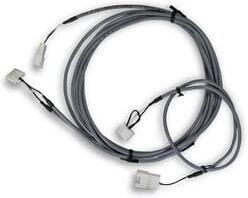
Navien Cascade Wire Harness For NPE Water HeatersNavien Cascade Wire Harness – Seamless Connectivity for NPE Water Heaters The Navien Cascade Wire Harness is an essential accessory designed specifically for Navien NPE water heaters. It enables seamless cascading of multiple units, allowing them to work together efficiently to meet high hot water demand. By ensuring reliable communication between connected water heaters, this wire harness optimizes performance and extends the functionality of your Navien system. Whether for residential or commercial applications, the Navien Cascade Wire Harness simplifies the process of connecting multiple NPE water heaters, making it an indispensable component for large-scale hot water systems. Key Features and Benefits Reliable21,22 £*Shipping: 5,00 £Secure redirect to the provider
-
Hozelock Solar Cascade 300 Water Pump – Model 3538 0000The Hozelock Solar Cascade 300 Water Pump is an energy-efficient, solar-powered solution for adding movement and visual interest to small ponds, bird baths and water features. Easy to install and environmentally friendly, it operates directly from sunlight, providing a gentle cascade effect without the need for mains electricity. Key Features Solar-powered operation – no mains power required Ideal for small ponds, bird baths and water features Includes multiple fountain heads for different water patterns Compact and lightweight design Easy installation with no wiring or tools required Runs automatically in direct sunlight Quiet operation for peaceful outdoor environments Benefits This Hozelock solar pump offers a simple way to enhance outdoor spaces while reducing energy consumption. Its solar-powered design makes it cost-effective and eco-friendly, while the interchangeable fountain heads allow you to customise the look of your water feature. Ideal for gardens where electrical access is limited, it delivers reliable performance with minimal setup. Specifications Table Specification Details Brand Hozelock Model Solar Cascade 300 Product Type Solar Water Pump Power Source Solar Max Flow Rate 300 L/h Application Small Ponds & Water Features Installation Free-standing / Submersible Operation Automatic in Sunlight Colour Black EAN / Barcode 5010646055291 wate Ideal for homeowners and gardeners looking to enhance ponds or water features with minimal energy use. Perfect for small garden ponds, bird baths, decorative bowls and outdoor water features where a solar-powered solution is preferred.67,98 £*Shipping: 0,00 £Secure redirect to the provider
-
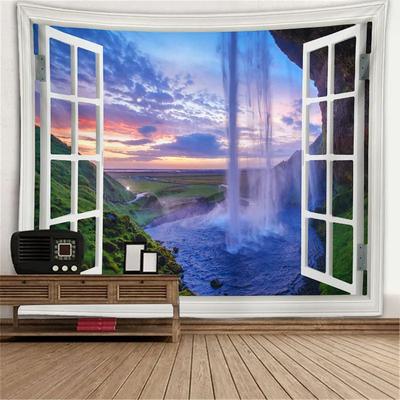
Inspire Essentials Forest Window Illusion Wall Tapestry Scenic Nature Wall Hanging Decor 9 200x150cmTransform your room into a peaceful escape with this stunning window illusion wall tapestry designed to bring the beauty of nature indoors. Featuring a scenic forest view that looks like a hidden window through your wall this piece creates depth and...106,48 $*Shipping: 0,00 $Secure redirect to the provider
-
What kind of water organism is this?
This is a jellyfish, which is a type of marine organism belonging to the phylum Cnidaria. Jellyfish are known for their gelatinous, umbrella-shaped bodies and their stinging tentacles. They are found in oceans all over the world and come in a variety of shapes, sizes, and colors. Jellyfish play an important role in marine ecosystems as both predators and prey. **
-
How did the unicellular organism evolve into a multicellular organism?
The evolution of unicellular organisms into multicellular organisms is believed to have occurred through a process called coloniality. Initially, unicellular organisms formed colonies where individual cells worked together for survival. Over time, some cells within these colonies specialized in specific functions, leading to the development of multicellular organisms with different cell types. This specialization allowed for more complex structures and functions, ultimately leading to the evolution of multicellular organisms. **
-
How does a single-celled organism become a multicellular organism?
A single-celled organism can become a multicellular organism through a process called cell division and specialization. Initially, the single cell undergoes multiple rounds of cell division, resulting in a cluster of cells. These cells then start to differentiate and specialize in their functions, forming different types of tissues and organs. Through further cell division, specialization, and coordination, these cells organize themselves into a complex multicellular organism with various cell types working together to perform specific functions. This process is known as cellular differentiation and is essential for the development of multicellular organisms. **
-
How can a single-celled organism become a multicellular organism?
A single-celled organism can become a multicellular organism through a process called cell aggregation. This occurs when individual cells come together and adhere to each other, forming a multicellular structure. Over time, these cells differentiate and specialize to perform specific functions within the organism, leading to the development of tissues and organs. This process allows the single-celled organism to evolve into a complex, multicellular organism with a higher level of organization and specialization. **
Similar search terms for Organism
-
Inspire Essentials Forest Window Illusion Wall Tapestry Scenic Nature Wall Hanging Decor 6 150x100cmTransform your room into a peaceful escape with this stunning window illusion wall tapestry designed to bring the beauty of nature indoors. Featuring a scenic forest view that looks like a hidden window through your wall this piece creates depth and...106,48 $*Shipping: 0,00 $Secure redirect to the provider
-
Inspire Essentials Forest Window Illusion Wall Tapestry Scenic Nature Wall Hanging Decor 22 150x100cmTransform your room into a peaceful escape with this stunning window illusion wall tapestry designed to bring the beauty of nature indoors. Featuring a scenic forest view that looks like a hidden window through your wall this piece creates depth and...106,48 $*Shipping: 0,00 $Secure redirect to the provider
-
Inspire Essentials Forest Window Illusion Wall Tapestry Scenic Nature Wall Hanging Decor 22 200x170cmTransform your room into a peaceful escape with this stunning window illusion wall tapestry designed to bring the beauty of nature indoors. Featuring a scenic forest view that looks like a hidden window through your wall this piece creates depth and...106,48 $*Shipping: 0,00 $Secure redirect to the provider
-
Inspire Essentials Forest Window Illusion Wall Tapestry Scenic Nature Wall Hanging Decor 2 230x150cmTransform your room into a peaceful escape with this stunning window illusion wall tapestry designed to bring the beauty of nature indoors. Featuring a scenic forest view that looks like a hidden window through your wall this piece creates depth and...106,48 $*Shipping: 0,00 $Secure redirect to the provider
-
How did the single-celled organism develop into a multicellular organism?
The transition from single-celled to multicellular organisms is thought to have occurred through a process called coloniality, where individual cells began to work together and specialize in different functions. This allowed for more efficient resource utilization and increased the organism's ability to adapt to different environments. Over time, these specialized cells became more integrated and developed into the complex multicellular organisms we see today. This transition likely occurred independently in different lineages of organisms, leading to the diverse array of multicellular life forms we see today. **
-
Can viruses transform an entire organism into another similar and permanently viable organism?
No, viruses cannot transform an entire organism into another similar and permanently viable organism. Viruses are not capable of causing such a drastic and complex transformation in an organism. While viruses can cause changes in the host organism's cells and genetic material, they do not have the ability to completely transform one organism into another. The concept of a virus causing such a transformation is more characteristic of science fiction rather than actual scientific understanding of virology. **
-
Is cress a living organism?
Yes, cress is a living organism. It is a type of plant that belongs to the mustard family and is commonly grown for its edible leaves. Like all plants, cress is a living organism that undergoes processes such as photosynthesis, respiration, and growth. It requires water, sunlight, and nutrients to survive and thrive. **
-
Is the blastocyst an organism?
Yes, the blastocyst is considered an organism. It is the stage of development of a fertilized egg before it implants into the uterus. At this stage, the blastocyst is a multicellular structure with specialized cells that will eventually develop into the fetus and placenta. Therefore, the blastocyst can be considered an early stage of an organism's development. **
* All prices are inclusive of VAT and, if applicable, plus shipping costs. The offer information is based on the details provided by the respective shop and is updated through automated processes. Real-time updates do not occur, so deviations can occur in individual cases. ** Note: Parts of this content were created by AI.