Buy wasserfall.eu ?
We are moving the project
wasserfall.eu .
Are you interested in purchasing the domain
wasserfall.eu ?
domain@kv-gmbh.de · 0541-91531010
Buy wasserfall.eu ?
Why is Rutherford's scattering experiment called a scattering experiment at all?
Rutherford's experiment is called a scattering experiment because it involved firing alpha particles at a thin gold foil and observing how they scattered after hitting the foil. The term "scattering" refers to the process of particles being deflected from their original path as a result of collisions with the atoms in the foil. By analyzing the pattern of scattering, Rutherford was able to deduce the structure of the atom and propose the existence of a dense, positively charged nucleus at its center. This experiment was crucial in advancing our understanding of atomic structure and the behavior of subatomic particles. **
What was Rutherford's scattering experiment?
Rutherford's scattering experiment involved firing alpha particles at a thin gold foil and observing their deflection. The experiment aimed to study the structure of the atom and determine how the positive charge is distributed within it. The unexpected results of the experiment led Rutherford to propose the nuclear model of the atom, where he suggested that atoms have a small, dense, positively charged nucleus at their center. This experiment was crucial in advancing our understanding of atomic structure. **


Similar search terms for Scattering
Top-Angebote
Products related to Scattering:
-
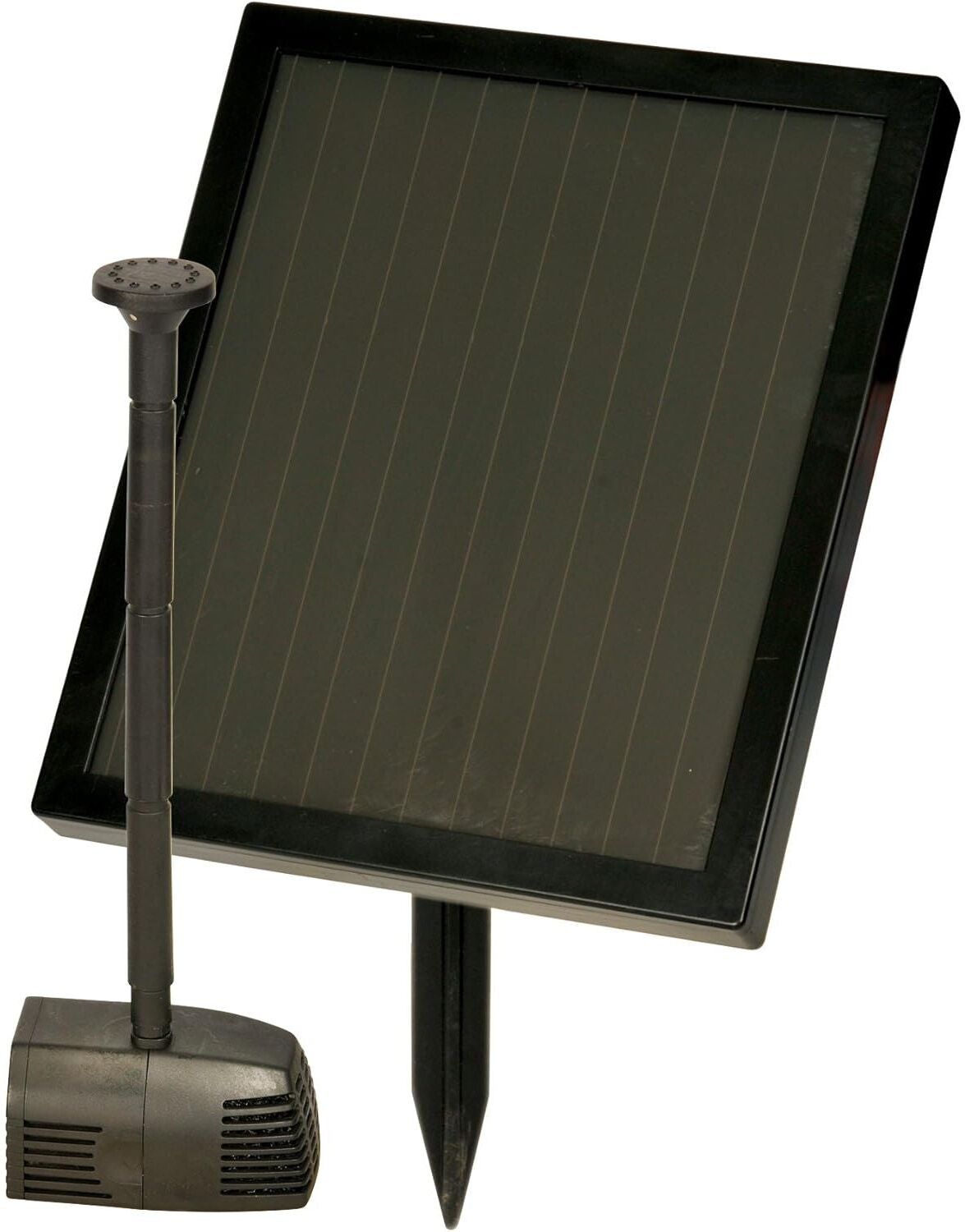
Hozelock Solar Cascade 300 Water Pump – Model 3538 0000The Hozelock Solar Cascade 300 Water Pump is an energy-efficient, solar-powered solution for adding movement and visual interest to small ponds, bird baths and water features. Easy to install and environmentally friendly, it operates directly from sunlight, providing a gentle cascade effect without the need for mains electricity. Key Features Solar-powered operation – no mains power required Ideal for small ponds, bird baths and water features Includes multiple fountain heads for different water patterns Compact and lightweight design Easy installation with no wiring or tools required Runs automatically in direct sunlight Quiet operation for peaceful outdoor environments Benefits This Hozelock solar pump offers a simple way to enhance outdoor spaces while reducing energy consumption. Its solar-powered design makes it cost-effective and eco-friendly, while the interchangeable fountain heads allow you to customise the look of your water feature. Ideal for gardens where electrical access is limited, it delivers reliable performance with minimal setup. Specifications Table Specification Details Brand Hozelock Model Solar Cascade 300 Product Type Solar Water Pump Power Source Solar Max Flow Rate 300 L/h Application Small Ponds & Water Features Installation Free-standing / Submersible Operation Automatic in Sunlight Colour Black EAN / Barcode 5010646055291 wate Ideal for homeowners and gardeners looking to enhance ponds or water features with minimal energy use. Perfect for small garden ponds, bird baths, decorative bowls and outdoor water features where a solar-powered solution is preferred.67,98 £*Shipping: 0,00 £Secure redirect to the provider
-
Inspire Essentials Forest Window Illusion Wall Tapestry Scenic Nature Wall Hanging Decor 21 230x180cmTransform your room into a peaceful escape with this stunning window illusion wall tapestry designed to bring the beauty of nature indoors. Featuring a scenic forest view that looks like a hidden window through your wall this piece creates depth and...106,48 $*Shipping: 0,00 $Secure redirect to the provider
-
Inspire Essentials Forest Window Illusion Wall Tapestry Scenic Nature Wall Hanging Decor 23 100x75cmTransform your room into a peaceful escape with this stunning window illusion wall tapestry designed to bring the beauty of nature indoors. Featuring a scenic forest view that looks like a hidden window through your wall this piece creates depth and...106,48 $*Shipping: 0,00 $Secure redirect to the provider
-
Inspire Essentials Forest Window Illusion Wall Tapestry Scenic Nature Wall Hanging Decor 4 100x75cmTransform your room into a peaceful escape with this stunning window illusion wall tapestry designed to bring the beauty of nature indoors. Featuring a scenic forest view that looks like a hidden window through your wall this piece creates depth and...106,48 $*Shipping: 0,00 $Secure redirect to the provider


-
What is the Rutherford scattering experiment?
The Rutherford scattering experiment was conducted by physicist Ernest Rutherford in 1909. In this experiment, Rutherford bombarded a thin gold foil with alpha particles and observed their scattering patterns. The unexpected results of the experiment led to the discovery of the atomic nucleus and the development of the nuclear model of the atom. The experiment showed that most of the alpha particles passed through the foil, but some were deflected at large angles, indicating the presence of a small, dense nucleus within the atom. This experiment revolutionized our understanding of the structure of the atom. **
-
What is the Rutherford scattering with copper?
Rutherford scattering with copper refers to the experiment conducted by Ernest Rutherford in which he bombarded a thin gold foil with alpha particles. The experiment led to the discovery that atoms have a small, dense nucleus at their center, which was a groundbreaking finding in the field of nuclear physics. The use of copper in the experiment is not common, as gold was the metal foil typically used due to its malleability and ability to be made very thin. **
-
What is the difference between reflection and scattering?
Reflection occurs when light bounces off a surface at the same angle it hits it, resulting in a clear image. Scattering, on the other hand, occurs when light is dispersed in different directions by particles or irregularities in a medium, resulting in a diffuse or hazy appearance. In reflection, the light maintains its original intensity and color, while in scattering, the light may lose intensity and change color due to the interaction with the medium. **
-
What causes the photoelectric effect: absorption or scattering?
The photoelectric effect is caused by absorption of photons by electrons in a material, rather than scattering. When a photon with sufficient energy is absorbed by an electron in a material, it can transfer enough energy to the electron to liberate it from the material, causing the photoelectric effect. Scattering, on the other hand, involves the redirection of photons by particles in a material, but it does not result in the ejection of electrons from the material. **


Why is the Rutherford experiment called the scattering experiment?
The Rutherford experiment is called the scattering experiment because it involved firing alpha particles at a thin gold foil and observing how they scattered after hitting the foil. This scattering of alpha particles provided crucial evidence for the existence of a small, dense nucleus within the atom, as most of the alpha particles passed through the foil with little deflection, but a small fraction were scattered at large angles. This unexpected scattering pattern led to the development of the nuclear model of the atom and revolutionized our understanding of atomic structure. **
Can you explain the Rutherford scattering experiment atomic model?
The Rutherford scattering experiment was conducted by physicist Ernest Rutherford in 1909. In this experiment, Rutherford bombarded a thin gold foil with alpha particles and observed their scattering patterns. According to the prevailing atomic model at the time, the plum pudding model, it was expected that the alpha particles would pass through the foil with minimal deflection. However, Rutherford's observations showed that some alpha particles were deflected at large angles, and even some were reflected back. This led to the development of the nuclear model of the atom, in which the atom is mostly empty space with a small, dense nucleus at the center. This experiment provided evidence for the existence of a positively charged nucleus within the atom, leading to a significant shift in our understanding of atomic structure. **
Top-Angebote
Products related to Scattering:
-
Uplift Picks Solar Landscape Spotlights Brighten Pathways Gardens Patios Lawns Every Night Outdoors Solar Landscape Spotlights Brighten Pathways Gardens Patios Lawns Every Night OutdoorsHighlight pathways and garden features with focused solar landscape lights that work without outdoor wiring. Their ground mounted design suits lawns, patios, walkways, flower beds, and decorative landscape areas. The matching product is listed with...82,98 $*Shipping: 0,00 $Secure redirect to the provider
-
Navien Cascade Wire Harness For NPE Water HeatersNavien Cascade Wire Harness – Seamless Connectivity for NPE Water Heaters The Navien Cascade Wire Harness is an essential accessory designed specifically for Navien NPE water heaters. It enables seamless cascading of multiple units, allowing them to work together efficiently to meet high hot water demand. By ensuring reliable communication between connected water heaters, this wire harness optimizes performance and extends the functionality of your Navien system. Whether for residential or commercial applications, the Navien Cascade Wire Harness simplifies the process of connecting multiple NPE water heaters, making it an indispensable component for large-scale hot water systems. Key Features and Benefits Reliable21,22 £*Shipping: 5,00 £Secure redirect to the provider
-
Hozelock Solar Cascade 300 Water Pump – Model 3538 0000The Hozelock Solar Cascade 300 Water Pump is an energy-efficient, solar-powered solution for adding movement and visual interest to small ponds, bird baths and water features. Easy to install and environmentally friendly, it operates directly from sunlight, providing a gentle cascade effect without the need for mains electricity. Key Features Solar-powered operation – no mains power required Ideal for small ponds, bird baths and water features Includes multiple fountain heads for different water patterns Compact and lightweight design Easy installation with no wiring or tools required Runs automatically in direct sunlight Quiet operation for peaceful outdoor environments Benefits This Hozelock solar pump offers a simple way to enhance outdoor spaces while reducing energy consumption. Its solar-powered design makes it cost-effective and eco-friendly, while the interchangeable fountain heads allow you to customise the look of your water feature. Ideal for gardens where electrical access is limited, it delivers reliable performance with minimal setup. Specifications Table Specification Details Brand Hozelock Model Solar Cascade 300 Product Type Solar Water Pump Power Source Solar Max Flow Rate 300 L/h Application Small Ponds & Water Features Installation Free-standing / Submersible Operation Automatic in Sunlight Colour Black EAN / Barcode 5010646055291 wate Ideal for homeowners and gardeners looking to enhance ponds or water features with minimal energy use. Perfect for small garden ponds, bird baths, decorative bowls and outdoor water features where a solar-powered solution is preferred.67,98 £*Shipping: 0,00 £Secure redirect to the provider
-
Inspire Essentials Forest Window Illusion Wall Tapestry Scenic Nature Wall Hanging Decor 21 230x180cmTransform your room into a peaceful escape with this stunning window illusion wall tapestry designed to bring the beauty of nature indoors. Featuring a scenic forest view that looks like a hidden window through your wall this piece creates depth and...106,48 $*Shipping: 0,00 $Secure redirect to the provider
-
Why is Rutherford's scattering experiment called a scattering experiment at all?
Rutherford's experiment is called a scattering experiment because it involved firing alpha particles at a thin gold foil and observing how they scattered after hitting the foil. The term "scattering" refers to the process of particles being deflected from their original path as a result of collisions with the atoms in the foil. By analyzing the pattern of scattering, Rutherford was able to deduce the structure of the atom and propose the existence of a dense, positively charged nucleus at its center. This experiment was crucial in advancing our understanding of atomic structure and the behavior of subatomic particles. **
-
What was Rutherford's scattering experiment?
Rutherford's scattering experiment involved firing alpha particles at a thin gold foil and observing their deflection. The experiment aimed to study the structure of the atom and determine how the positive charge is distributed within it. The unexpected results of the experiment led Rutherford to propose the nuclear model of the atom, where he suggested that atoms have a small, dense, positively charged nucleus at their center. This experiment was crucial in advancing our understanding of atomic structure. **
-
What is the Rutherford scattering experiment?
The Rutherford scattering experiment was conducted by physicist Ernest Rutherford in 1909. In this experiment, Rutherford bombarded a thin gold foil with alpha particles and observed their scattering patterns. The unexpected results of the experiment led to the discovery of the atomic nucleus and the development of the nuclear model of the atom. The experiment showed that most of the alpha particles passed through the foil, but some were deflected at large angles, indicating the presence of a small, dense nucleus within the atom. This experiment revolutionized our understanding of the structure of the atom. **
-
What is the Rutherford scattering with copper?
Rutherford scattering with copper refers to the experiment conducted by Ernest Rutherford in which he bombarded a thin gold foil with alpha particles. The experiment led to the discovery that atoms have a small, dense nucleus at their center, which was a groundbreaking finding in the field of nuclear physics. The use of copper in the experiment is not common, as gold was the metal foil typically used due to its malleability and ability to be made very thin. **
Similar search terms for Scattering
-
Inspire Essentials Forest Window Illusion Wall Tapestry Scenic Nature Wall Hanging Decor 23 100x75cmTransform your room into a peaceful escape with this stunning window illusion wall tapestry designed to bring the beauty of nature indoors. Featuring a scenic forest view that looks like a hidden window through your wall this piece creates depth and...106,48 $*Shipping: 0,00 $Secure redirect to the provider
-
Inspire Essentials Forest Window Illusion Wall Tapestry Scenic Nature Wall Hanging Decor 4 100x75cmTransform your room into a peaceful escape with this stunning window illusion wall tapestry designed to bring the beauty of nature indoors. Featuring a scenic forest view that looks like a hidden window through your wall this piece creates depth and...106,48 $*Shipping: 0,00 $Secure redirect to the provider
-
Inspire Essentials Forest Window Illusion Wall Tapestry Scenic Nature Wall Hanging Decor 6 150x130cmTransform your room into a peaceful escape with this stunning window illusion wall tapestry designed to bring the beauty of nature indoors. Featuring a scenic forest view that looks like a hidden window through your wall this piece creates depth and...106,48 $*Shipping: 0,00 $Secure redirect to the provider
-
Inspire Essentials Forest Window Illusion Wall Tapestry Scenic Nature Wall Hanging Decor 13 100x75cmTransform your room into a peaceful escape with this stunning window illusion wall tapestry designed to bring the beauty of nature indoors. Featuring a scenic forest view that looks like a hidden window through your wall this piece creates depth and...106,48 $*Shipping: 0,00 $Secure redirect to the provider
-
What is the difference between reflection and scattering?
Reflection occurs when light bounces off a surface at the same angle it hits it, resulting in a clear image. Scattering, on the other hand, occurs when light is dispersed in different directions by particles or irregularities in a medium, resulting in a diffuse or hazy appearance. In reflection, the light maintains its original intensity and color, while in scattering, the light may lose intensity and change color due to the interaction with the medium. **
-
What causes the photoelectric effect: absorption or scattering?
The photoelectric effect is caused by absorption of photons by electrons in a material, rather than scattering. When a photon with sufficient energy is absorbed by an electron in a material, it can transfer enough energy to the electron to liberate it from the material, causing the photoelectric effect. Scattering, on the other hand, involves the redirection of photons by particles in a material, but it does not result in the ejection of electrons from the material. **
-
Why is the Rutherford experiment called the scattering experiment?
The Rutherford experiment is called the scattering experiment because it involved firing alpha particles at a thin gold foil and observing how they scattered after hitting the foil. This scattering of alpha particles provided crucial evidence for the existence of a small, dense nucleus within the atom, as most of the alpha particles passed through the foil with little deflection, but a small fraction were scattered at large angles. This unexpected scattering pattern led to the development of the nuclear model of the atom and revolutionized our understanding of atomic structure. **
-
Can you explain the Rutherford scattering experiment atomic model?
The Rutherford scattering experiment was conducted by physicist Ernest Rutherford in 1909. In this experiment, Rutherford bombarded a thin gold foil with alpha particles and observed their scattering patterns. According to the prevailing atomic model at the time, the plum pudding model, it was expected that the alpha particles would pass through the foil with minimal deflection. However, Rutherford's observations showed that some alpha particles were deflected at large angles, and even some were reflected back. This led to the development of the nuclear model of the atom, in which the atom is mostly empty space with a small, dense nucleus at the center. This experiment provided evidence for the existence of a positively charged nucleus within the atom, leading to a significant shift in our understanding of atomic structure. **
* All prices are inclusive of VAT and, if applicable, plus shipping costs. The offer information is based on the details provided by the respective shop and is updated through automated processes. Real-time updates do not occur, so deviations can occur in individual cases. ** Note: Parts of this content were created by AI.